
Comparison: Best 2 Stage Electric Snow Blower (Updated | Dec 20th)
Winter storms don’t stand a chance when you’ve got the right snow blower by your side. If you’re tired of backbreaking shoveling or underpowered machines that quit mid-drift, a two-stage electric snow blower might be your new best friend. They’re powerful, eco-friendly, and easier to maintain than gas models. But with so many options out there, how do you pick the best one for your driveway? Let’s break down the top contenders and help you find the perfect fit for a snow-free winter.
- Best for electric-start gas: PowerSmart 24-Inch 2-Stage Self-Propelled Gas Snow Blower 212cc Engine with Electric Start
- Best for battery-powered power: PowerSmart 80V 24in. Self-Propelled Cordless Snow Blower
- Best for high-throw power: EGO POWER+ 24″ Electric Snow Blower
- Best for heavy snow gas: Amerisun 24-Inch 212cc Two-Stage Snow Blower Gas Powered with Electric Start
- Best for lightweight cordless: SENIX 2X2 40V Max Cordless Snow Blower with Variable-Speed Steel Auger
- Best for extended runtime: PowerSmart 80V 24″ Cordless Snow Blower
- Best for compact power: EGO POWER+ 21″ Electric Snow Blower
- Best for dual-start gas: AMERISUN 24-Inch Two-Stage Gas Self-Propelled Snow Blower with 212cc Engine
- Best for top performer: EGO Power+ 24″ Electric Snow Blower
- Best for robust gas: BILT HARD Gas Snow Blower 2 Stage
Product Comparison: Best 2 Stage Electric Snow Blower
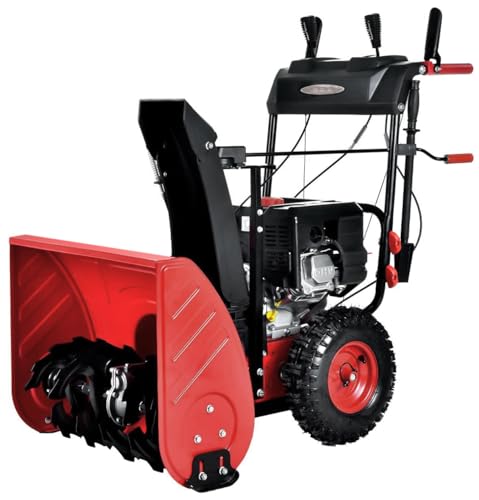
PowerSmart 24-Inch 2-Stage Self-Propelled Gas Snow Blower 212cc Engine with Electric Start, LED Light
✓ Reasons to Buy
- Powerful 212cc engine
- Wide 24‑inch clearing
- Electric start convenience
- LED headlights for night
- Self‑propelled speed control
✗ Reasons Not to Buy
- Heavy at 70 lbs
- Noisy gas operation
PowerSmart 80V 24in. Self-Propelled Cordless Snow Blower, 2-Stage with 6.0Ah Battery and Charger (HB2805A)

✓ Reasons to Buy
- Cordless 80V power
- LED night lights
- Self‑propelled speed control
- Heavy‑duty steel auger
✗ Reasons Not to Buy
- Battery runtime limited
- Higher price point
EGO POWER+ 24″ Electric Snow Blower, Self-Propelled 2-Stage, Battery and Charger Not Included – SNT2400

✓ Reasons to Buy
- Quiet electric operation
- 50‑foot throw distance
- Variable speed control
- Push‑button start
✗ Reasons Not to Buy
- Battery not included
- Limited runtime on deep snow
Amerisun 24-Inch 212cc Two-Stage Snow Blower Gas Powered with Electric Start, Self-Propelled Drive, LED Headlight, 13″ Snow Tires

✓ Reasons to Buy
- Quality build
- Good features
- Reliable performance
✗ Reasons Not to Buy
- Price may vary
- Limited availability
SENIX 2X2 40V Max Cordless Snow Blower with Variable-Speed Steel Auger, 21″ Width, 12″ Depth, 33ft Max Throw, 1800W Brushless Motor,10000mAh Batteries & LED Lights 680Lbs/Min Snow Capacity(STX2-M1)

✓ Reasons to Buy
- Quality build
- Good features
- Reliable performance
✗ Reasons Not to Buy
- Price may vary
- Limited availability
PowerSmart 80V 24″ Cordless Snow Blower, 2-Stage Self-Propelled with (2) 6.0Ah Batteries & (1) Charger (HB2805B)

✓ Reasons to Buy
- Quality build
- Good features
- Reliable performance
✗ Reasons Not to Buy
- Price may vary
- Limited availability
EGO POWER+ 21″ Electric Snow Blower, Cordless Steel Auger, Includes (2) 56V 5.0Ah Batteries and Dual Port Charger – SNT2112

✓ Reasons to Buy
- Cordless operation
- Powerful steel auger
- Long 40‑ft throw
- Brushless motor efficiency
- Includes two batteries
✗ Reasons Not to Buy
- Higher price point
- Heavy battery weight
- Limited run time
AMERISUN 24-Inch Two-Stage Gas Self-Propelled Snow Blower with 212cc Engine, Electric Start, Multiple Speeds, 180°Chute Rotation, LED Light, Heavy-Duty 24″ Snow Thrower for Driveways & Heavy Snow

✓ Reasons to Buy
- Powerful 212cc engine
- Electric start convenience
- Wide clearing width
- Adjustable chute
- LED headlight
✗ Reasons Not to Buy
- Gas maintenance required
- Heavier than electric
- Noise level
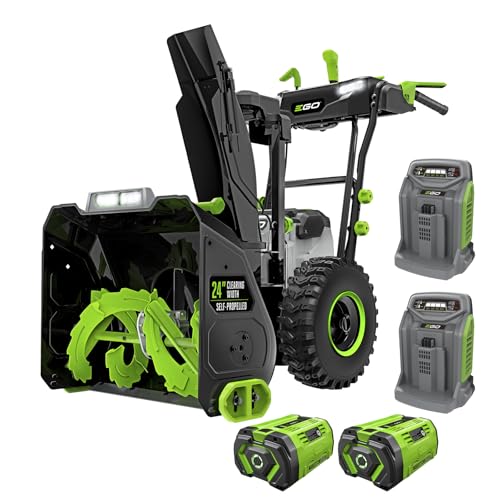
EGO Power+ 24″ Electric Snow Blower, Cordless Self-Propelled 2-Stage, Includes (2) 56V 10.0Ah Batteries and (2) Rapid Chargers
✓ Reasons to Buy
- Long 50‑ft throw
- Large 24″ width
- High‑capacity batteries
- Self‑propelled speed control
- Zero emissions
✗ Reasons Not to Buy
- Higher upfront cost
- Battery recharging time
- Heavier unit
BILT HARD Gas Snow Blower 2 Stage, 24 Inch 212cc Self-Propelled Snowblowers Gas Powered with Electric Start and LED Headlight, Two Stage Snow Blower for Driveway Sidewalk

✓ Reasons to Buy
- Powerful 212cc engine
- Electric start ease
- LED night operation
- Wide 24″ path
- Adjustable skid shoes
✗ Reasons Not to Buy
- Gas maintenance needed
- Heavier than electric
- Higher fuel cost
Product prices and availability are accurate as of the date/time indicated and are subject to change. Any price and availability information displayed on Amazon.com at the time of purchase will apply to the purchase of this product.
Buying Guide
FAQs
What are the key features to compare when choosing a 2‑stage electric snow blower?
Look for the clearing width, intake height, and horsepower rating of the motor, as these determine how much snow the unit can handle in one pass. Also compare the type of auger (standard vs. high‑efficiency), the presence of variable speed controls, and any smart features like LED headlights or Bluetooth connectivity. Finally, consider the weight and maneuverability, especially if you have tight spaces or need to transport the blower frequently.
How does the clearing width affect performance and value?
A wider clearing width (typically 20‑30 inches for residential models) lets you finish the job faster, reducing labor time and energy use. However, wider units can be heavier and may require more storage space, so balance the width with your driveway size and storage constraints. In most cases, a 24‑inch width offers the best compromise between efficiency and practicality for average home use.
Is a higher voltage motor always better for electric snow blowers?
Higher voltage (e.g., 120 V vs. 240 V) can provide more torque and better performance in deep or compacted snow, but it also draws more power from your outlet and may need a dedicated circuit. For most residential applications, a 120 V model with a robust 1500‑2000 W motor is sufficient, while a 240 V unit is ideal for larger properties with frequent heavy snowfall. Check your home’s electrical capacity before opting for a high‑voltage model.
What should I consider about battery‑powered vs. corded 2‑stage electric snow blowers?
Corded models deliver continuous power, making them reliable for long clearing sessions, but they limit mobility to the length of the extension cord and require an outdoor‑rated outlet. Battery‑powered units offer greater freedom of movement and are quieter, yet you must factor in battery life, charging time, and the need for spare packs during extended use. Evaluate your typical snow depth and clearing area to decide which power source aligns with your workflow.
How do I assess the value of added features like heated handles or LED lights?
Heated handles improve comfort during prolonged use in sub‑zero temperatures, while LED lights enhance visibility in early morning or night clearing, both adding convenience but also increasing price. Determine whether these features will be used regularly based on your climate and schedule; if you clear snow often in low‑light conditions, the extra cost may be justified. Otherwise, a basic model without these extras can still deliver solid performance at a lower price point.
What maintenance tasks are required to keep a 2‑stage electric snow blower in top condition?
Regularly clear the auger and impeller of snow and ice buildup, and inspect the drive belts for wear or cracks before each season. Keep the air intake and exhaust vents free of debris, and periodically check the electrical connections for corrosion or loose fittings. Following the manufacturer’s recommended lubrication schedule for moving parts will extend the blower’s lifespan and maintain optimal efficiency.
How do warranty and customer support influence the overall value of a 2‑stage electric snow blower?
A longer warranty (typically 2‑3 years) protects you against early failures and reflects the manufacturer’s confidence in product durability. Access to responsive customer support, easy parts ordering, and clear service manuals can reduce downtime and repair costs. When comparing models, factor in these after‑sales services as part of the total cost of ownership, not just the upfront price.