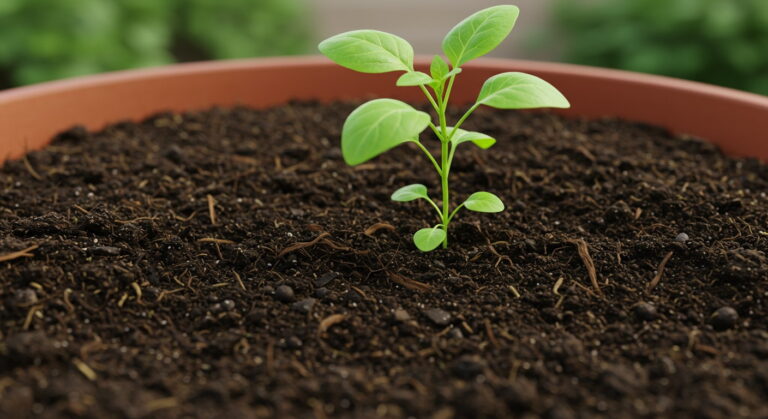
How To Plant Beets
Want to grow your own sweet, vibrant beets? It’s easier than you think! Whether you’re a beginner or a seasoned gardener, our quick guide will ensure your beets thrive. Let’s dive in and get your garden started with these easy-to-follow tips—you’ll have fresh beets in no time!
How to Plant Beets: A Step-by-Step Guide
Choosing the Right Time to Plant Beets
Beets thrive in cool weather, so plant them in early spring as soon as the soil can be worked, or in late summer for a fall harvest. Aim for soil temperatures around 50-85°F (10-29°C) for best germination.
If you’re in a warmer climate, grow beets during the cooler months to avoid bitter roots. For a continuous supply, sow seeds every 2-3 weeks until mid-summer. This staggered planting ensures a steady harvest rather than a glut all at once.
Keep in mind that beets mature in about 50-70 days, so timing your planting will help you enjoy fresh beets throughout the season.
Preparing the Soil for Optimal Growth
Beets love loose, well-draining soil rich in organic matter. Before planting, loosen the soil to at least 6-8 inches deep and mix in compost or aged manure to boost fertility. Avoid heavy clay or rocky soil, which can cause deformed roots. Beets prefer a slightly acidic to neutral pH (6.0-7.5).
If your soil is too compacted, consider raised beds or containers. Remove any weeds or debris that could compete with young beet seedlings. Well-prepared soil not only encourages straight, healthy roots but also makes it easier for the seeds to germinate and grow strong.
Sowing Beet Seeds Correctly
Sow beet seeds ½ inch deep and 1-2 inches apart in rows spaced 12-18 inches apart. Beet seeds are actually clusters containing multiple seeds, so don’t be surprised if several seedlings sprout from one spot. Lightly cover the seeds with soil and pat gently to ensure good contact.
Keep the soil consistently moist but not waterlogged to encourage germination, which usually takes 7-14 days. Using a row cover can help retain moisture and protect seeds from pests. For faster germination, soak seeds in water for a few hours before planting to soften their tough outer shells.
Spacing and Thinning Beet Seedlings
Once seedlings reach 2-3 inches tall, thin them to 3-4 inches apart to give each beet enough room to develop. Crowded plants result in small or misshapen roots, so don’t skip this step! Gently pull out the weaker seedlings, leaving the strongest ones to grow.
You can use the thinned seedlings as tender greens in salads or sautés. Proper spacing ensures good airflow and reduces competition for nutrients and water. Keep the soil evenly moist and mulch around the plants to retain moisture and suppress weeds.
With the right care, your beets will be ready to harvest in just a couple of months.
Selecting the Best Beet Varieties for Your Garden
Top Varieties for Root Flavor
When you want that classic, earthy sweetness in your harvest, choosing the right variety makes all the difference. For the boldest flavor, look no further than Detroit Dark Red, a reliable heirloom that produces deep red roots perfect for canning or roasting.
If you prefer a milder, sweeter taste, Chioggia is a stunning Italian variety with concentric red and white rings that stay tender even when they grow large. For something unique, try Golden Beets, which offer a bright yellow color and a flavor that is less earthy than their red counterparts.
These varieties are forgiving and grow well in various soil types, making them excellent choices for beginners. Remember, consistent watering is key to preventing woody textures, so keep the soil moist as they develop to ensure the tastiest roots possible for your kitchen table.
Best Varieties for Greens
Don’t let those leafy tops go to waste, because some beet varieties are grown specifically for their delicious and nutritious foliage.
If you love sautéed greens or fresh baby leaves in your salads, Bull’s Blood is a top pick thanks to its striking deep red leaves and sweet, tender flavor even at maturity.
Another fantastic option is Early Wonder, which is prized for maturing quickly and providing a bountiful harvest of flavorful greens before the roots are fully formed.
Harvesting the outer leaves when they are about four to six inches tall encourages continued growth and gives you a steady supply of fresh vitamins.
These varieties allow you to enjoy a two-for-one crop, savoring both the savory tops and the roots, making them a smart choice for gardeners looking to maximize their yield and culinary options from a single plant.
Choosing Beets Based on Climate
Selecting the right beet variety for your local weather conditions ensures a successful and stress-free growing season.
Beets thrive in cool weather, but if you live in an area with extreme heat, varieties like Cylindra are ideal because their long, tapered shape allows them to grow deeper in the soil where temperatures are cooler.
For gardeners facing short growing seasons or unexpected early frosts, fast-maturing varieties like Kestrel or the standard Detroit Dark Red are excellent choices because they reach harvest size in just 50 to 55 days.
In warmer climates, try planting beets in the late summer or early fall to avoid the scorching midsummer sun, which can cause the roots to become tough or woody.
By aligning your seed selection with your specific climate, you set your garden up for a robust harvest regardless of the weather forecast.
Essential Care Tips for Growing Beets
Signs Your Beets Are Ready to Harvest
You’ll know your beets are ready when the root shoulders poke about 1-2 inches above the soil line. Gently brush away some dirt to check the size; most varieties taste best when they’re 1.5 to 3 inches wide.
If they grow much larger, they can become woody and lose their sweet flavor. Another good sign is the leaf texture—when the leaves are 4-6 inches tall and look vibrant, your beets are likely ready. For the sweetest taste, aim to harvest in the cool of the morning.
Don’t wait too long, though! Over-mature beets can get tough, so check them regularly as they approach maturity. This timing ensures you enjoy the most tender, flavorful crop possible from your garden efforts.
Harvesting Techniques for Minimal Damage
To avoid bruising your beets, loosen the soil around them first with a garden fork. Don’t just yank on the tops, or you might break the stem or damage the root. Instead, grasp the greens near the crown and gently pull while lifting the soil underneath.
If the beet resists, loosen the surrounding dirt a bit more. For tender baby beets, you can harvest them earlier by thinning the row, which gives remaining plants space to grow. Always handle roots carefully to prevent cuts, which can lead to rot during storage.
If you’re saving the greens, trim them to about an inch above the root, leaving the taproot intact. This method keeps your beets fresh and undamaged, ready for your kitchen table or long-term storage.
Storing Fresh Beets for Longevity
After harvesting, shake off excess dirt but don’t wash your beets until you’re ready to use them. Moisture promotes rot, so trim the greens to about an inch above the root to prevent them from drawing out moisture.
Place the unwashed beets in a perforated plastic bag or a container lined with damp paper towels. Store them in the refrigerator’s crisper drawer, where they’ll stay fresh for up to two weeks. For longer storage, consider root cellaring or packing them in moist sand in a cool, dark place.
Properly stored beets can last several months, giving you a steady supply of earthy, nutritious vegetables throughout the season. Just keep an eye out for any soft spots and use those beets first.
Common Pests and Diseases Affecting Beets
Identifying and Managing Leaf Miners
Leaf miners are tiny pests that tunnel through beet leaves, leaving squiggly trails that look like scribbles. These trails reduce the plant’s ability to photosynthesize, stunting growth. To manage them, check the undersides of leaves for small white eggs or larvae early in the season.
Remove affected leaves promptly to stop the cycle. If the infestation is heavy, use row covers to prevent adult flies from laying eggs. Neem oil or insecticidal soap can also help. Crop rotation is another smart move—avoid planting beets in the same spot yearly.
Keep the garden tidy by removing debris where pests might hide. Regular inspections and quick action are your best tools to keep leaf miners at bay and ensure your beets thrive.
Preventing Fungal Diseases Like Cercospora Leaf Spot
Cercospora leaf spot is a fungal disease that causes small, circular, brown spots with reddish borders on beet leaves. Wet, humid conditions favor its spread, so avoid overhead watering to keep foliage dry. Instead, water at the base of the plant early in the day.
Space plants properly for good airflow, which reduces humidity. Remove infected leaves immediately and dispose of them—don’t compost them. Mulching can help prevent soil splashing onto leaves. Rotate crops yearly and choose disease-resistant beet varieties if you’ve had issues before. A simple baking soda spray can also suppress fungal growth.
Stay vigilant, especially during rainy spells, to catch problems early.
Protecting Beets from Animal Pests
Animals like rabbits, deer, and rodents love beet greens, which can destroy your crop overnight. Install physical barriers like fences or netting to keep them out. A simple 2-foot fence works for rabbits, while deer require taller fencing.
For smaller pests like voles, try raised beds with hardware cloth at the bottom. Companion planting with strong-smelling herbs like garlic or marigolds can also deter pests. If you notice chewed leaves, act quickly—traps or natural repellents like blood meal can help.
Keep the area free of hiding spots like tall grass or woodpiles. Consistent monitoring and protective measures will ensure your beets stay safe until harvest.
Companion Planting: What to Grow with Beets
Best Companion Plants for Beets
When figuring out how to plant beets, choosing the right neighbors can significantly boost your harvest. Leafy greens like lettuce, spinach, and Swiss chard make excellent companions because they have shallow roots that don’t compete with beets for space or nutrients.
You might also consider planting aromatic herbs such as onions or garlic nearby; their strong scents naturally deter pests like aphids and root maggots that love to attack beet roots. Another great option is bush beans, which fix nitrogen in the soil, providing essential nutrients that beets need to thrive.
By arranging these plants together, you create a diverse garden ecosystem that maximizes space and keeps pests confused. Don’t forget about Brassicas like cabbage or broccoli, which grow well alongside beets without causing issues. This strategic planting method ensures healthier, more robust crops throughout the season.
Plants to Avoid Near Beets
Just as some plants help beets thrive, others can hinder their growth if placed too close. When planning your garden layout, it is crucial to keep beets away from pole beans and field beans, as these plants can stunt beet growth and compete aggressively for resources.
You should also avoid planting beets near mustard, as they belong to the same family and attract similar pests and diseases, increasing the risk of infestation. Another plant to steer clear of is charlock, a weed known to host beet pests that can quickly destroy your crop.
Additionally, avoid placing beets next to heavy feeders like corn or sunflowers, which might shade them out or steal vital nutrients from the soil. Keeping these incompatible plants separate ensures your beets receive the full attention they need to develop those sweet, earthy roots you’re looking forward to harvesting.
Benefits of Crop Rotation
Understanding how to plant beets goes beyond just companionship; crop rotation is a vital practice for maintaining long-term soil health.
Beets are heavy feeders, meaning they consume a lot of nutrients from the soil, so planting them in the same spot year after year can deplete the earth and encourage the buildup of soil-borne diseases.
To prevent this, rotate your beet patch to a different bed each season, ideally following nitrogen-fixing crops like beans or peas. This practice breaks pest and disease cycles while giving the soil a chance to recover naturally.
A good rule of thumb is to wait at least three years before planting beets or related greens like chard in the same location again. By rotating crops effectively, you not only protect your current harvest but also ensure that your garden remains productive and fertile for future planting seasons.
How and When to Harvest Beets
Signs Your Beets Are Ready to Harvest
You’ll know your beets are ready when the root shoulders poke about 1-2 inches above the soil line. Gently brush away some dirt to check the size; most varieties taste best when they’re 1.5 to 3 inches wide.
If they grow much larger, they can become woody and lose their sweet flavor. Another good sign is the leaf texture—when the leaves are 4-6 inches tall and look vibrant, your beets are likely ready. For the sweetest taste, aim to harvest in the cool of the morning.
Don’t wait too long, though! Over-mature beets can get tough, so check them regularly as they approach maturity. This timing ensures you enjoy the most tender, flavorful crop possible from your garden efforts.
Harvesting Techniques for Minimal Damage
To avoid bruising your beets, loosen the soil around them first with a garden fork. Don’t just yank on the tops, or you might break the stem or damage the root. Instead, grasp the greens near the crown and gently pull while lifting the soil underneath.
If the beet resists, loosen the surrounding dirt a bit more. For tender baby beets, you can harvest them earlier by thinning the row, which gives remaining plants space to grow. Always handle roots carefully to prevent cuts, which can lead to rot during storage.
If you’re saving the greens, trim them to about an inch above the root, leaving the taproot intact. This method keeps your beets fresh and undamaged, ready for your kitchen table or long-term storage.
Storing Fresh Beets for Longevity
After harvesting, shake off excess dirt but don’t wash your beets until you’re ready to use them. Moisture promotes rot, so trim the greens to about an inch above the root to prevent them from drawing out moisture.
Place the unwashed beets in a perforated plastic bag or a container lined with damp paper towels. Store them in the refrigerator’s crisper drawer, where they’ll stay fresh for up to two weeks. For longer storage, consider root cellaring or packing them in moist sand in a cool, dark place.
Properly stored beets can last several months, giving you a steady supply of earthy, nutritious vegetables throughout the season. Just keep an eye out for any soft spots and use those beets first.
Troubleshooting Common Beet Growing Problems
Why Are My Beets Not Forming Roots?
If your beets are producing lush greens but no bulbs, don’t panic—this is a common issue usually linked to soil compaction or overcrowding. Beets need loose, rock-free soil to develop properly, so ensure you’re planting in well-draining, sandy loam and tilling the ground deeply before sowing seeds.
Overcrowding is another culprit; thin seedlings to about 3 inches apart once they’re a few inches tall to give each root enough space to expand. Additionally, inconsistent watering can stress the plants, so aim for about 1 inch of water per week.
If you’re growing in heavy clay soil, try raised beds or containers filled with quality potting mix. With these adjustments, your beets should start forming those delicious roots in no time!
Dealing with Woody or Tough Beets
Nothing beats the disappointment of harvesting beets that are tough or tasteless, but this problem is often preventable with the right care.
Woody beets usually result from harvesting too late or uneven watering, so keep an eye on your crop and pull them when they’re 1.5–3 inches in diameter—letting them grow larger often leads to poor texture.
Consistent moisture is key; dry spells followed by heavy rain can cause rapid growth, making beets woody. Mulch around plants to retain soil moisture and regulate temperature. If you’re growing in a hot climate, choose heat-tolerant varieties and provide some afternoon shade.
By harvesting at the right size and maintaining steady watering, you’ll enjoy tender, flavorful beets every time.
Solving Issues with Bolting
When beets bolt (send up a flower stalk), the roots become bitter and tough, but understanding why this happens can help you prevent it. Bolting is typically triggered by temperature stress, especially cold snaps in spring or heatwaves in summer.
To avoid this, plant beets after the last frost date for your area and consider using row covers to protect young plants from unexpected cold. For summer crops, choose bolt-resistant varieties like ‘Bull’s Blood’ or ‘Detroit Dark Red’. Keep the soil consistently moist, as drought stress can also encourage bolting.
If you notice a plant starting to bolt, harvest it immediately—smaller roots will still be usable. With proper timing and variety selection, you can minimize bolting and enjoy a sweet, successful harvest.
Frequently Asked Questions
When is the best time to plant beets?
Beets thrive in cool weather, so plant them in early spring (2-4 weeks before the last frost) or late summer for a fall harvest. They prefer soil temperatures between 50-85°F (10-29°C) for optimal germination.
How deep should I plant beet seeds?
Plant beet seeds about ½ inch (1.25 cm) deep in loose, well-draining soil. Space seeds 1-2 inches (2.5-5 cm) apart to allow room for root growth.
Do beets need full sun or partial shade?
Beets grow best in full sun (6-8 hours daily) but can tolerate partial shade, especially in hotter climates. Too much shade may result in smaller roots.
How often should I water beets?
Keep the soil consistently moist but not waterlogged, providing about 1 inch (2.5 cm) of water per week. Mulching helps retain moisture and suppress weeds.
How long does it take for beets to mature?
Most beet varieties take 50-70 days from planting to harvest. Check the seed packet for specific maturity dates and harvest when roots are 1-3 inches (2.5-7.5 cm) in diameter.
Can I grow beets in containers?
Yes, beets grow well in containers at least 12 inches (30 cm) deep with drainage holes. Use a potting mix and ensure the container receives adequate sunlight.
What kind of soil do beets prefer?
Beets prefer loose, sandy loam soil rich in organic matter with a pH of 6.0-7.5. Avoid rocky or compacted soil, which can deform the roots.
Conclusion
Choose a sunny spot with loose, well-drained soil, sow seeds directly in the garden, and keep the soil consistently moist. Thin seedlings to allow room for growth, and harvest when the roots are tender. With proper care, you’ll enjoy a bountiful harvest of fresh, nutritious beets. Whether you’re a beginner or experienced gardener, growing beets is a satisfying addition to any home garden.