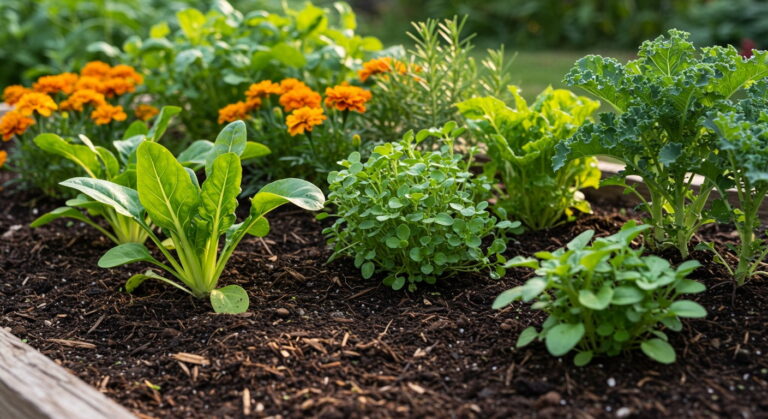
How To Plant Basil
Ready to grow your own fresh basil? Let’s get your basil garden started today!
How to Plant Basil from Seeds Indoors
Gather Your Basil Seeds and Supplies
Start by collecting everything you need to ensure a smooth planting process. Grab a packet of high-quality basil seeds, choosing varieties like Genovese or Sweet Basil for classic flavor.
You’ll also need small seedling trays or biodegradable pots, a clear plastic cover (or plastic wrap), and a spray bottle for watering. Don’t forget to pick up a seed-starting mix, which is lighter than regular soil and helps seeds germinate faster.
Having all your supplies ready means you won’t interrupt your planting flow. A warm, sunny windowsill or grow lights will also be handy once your seeds sprout. Keep things organized and within reach for the best results.
Prepare the Seed Starting Mix and Containers
Fill your containers with the seed-starting mix, leaving about half an inch of space at the top. Gently press the soil down to remove air pockets, but avoid compacting it too much—basil seeds need loose, airy soil to grow roots easily.
Before planting, moisten the mix with your spray bottle so it’s damp but not soggy. Overly wet soil can cause seeds to rot, while dry soil won’t support germination. Place your containers on a tray to catch excess water.
This prep work ensures your seeds have the perfect environment to thrive indoors and develop strong roots early on.
Sow the Basil Seeds Correctly
Sprinkle 2-3 basil seeds per cell or pot to increase your chances of successful sprouting. Gently press the seeds into the soil with your finger or a pencil, covering them with a thin layer of mix—about ¼ inch deep.
Basil seeds are tiny, so don’t bury them too deep, or they’ll struggle to reach the surface. Lightly mist the soil again to settle the seeds in place. For even growth, space your seeds evenly to avoid overcrowding later.
Proper sowing depth and spacing give your seedlings room to grow strong and healthy, reducing the risk of disease or weak stems as they develop.
Provide Light and Warmth for Germination
Basil seeds need warmth to germinate, so aim for a consistent temperature of 70-75°F. Place your containers in a warm spot, like atop a refrigerator or near a heat mat. Cover them with plastic wrap to retain humidity, but remove it once sprouts appear to prevent mold.
For light, place trays near a bright, sunny window or use grow lights for 12-16 hours daily. Rotate the pots every few days to ensure even growth. Keep the soil moist but not waterlogged.
With the right balance of warmth and light, your seeds should sprout in 5-10 days, giving you a head start on a bountiful basil harvest.
Transplanting Basil Seedlings Outdoors
Harden Off Your Plants Before Moving Outside
Before you move your basil seedlings into the garden, they need to toughen up a process called hardening off. Start by placing them outdoors in a shady, sheltered spot for just a few hours a day, gradually increasing their time outside over 7 to 10 days.
This gradual exposure helps them adjust to wind, sunlight, and temperature changes without getting shocked. If you rush this step, your plants might wilt or struggle to grow once transplanted. Keep an eye on the weather and bring them inside if frost is expected or if it gets too hot.
By the end of the week, they should be ready to stay out overnight. Taking this extra time ensures your basil is strong enough to thrive in its new environment.
Choose the Best Planting Location
Basil loves warmth and sunshine, so pick a spot that gets at least 6-8 hours of direct sunlight daily. The soil should be well-draining and rich in organic matter, as basil doesn’t like to sit in water.
If your soil is heavy or clay-like, mix in some compost to improve drainage and nutrients. Avoid areas where water tends to pool after rain, as soggy roots can quickly kill your plants.
A sunny garden bed or a large container works great, just make sure the location is easy to access for regular watering and harvesting. Proper placement ensures your basil grows bushy and flavorful all season long.
Space and Plant Basil in the Garden Soil
When planting, dig holes slightly larger than the root balls of your seedlings, spacing them about 12-18 inches apart to allow for air circulation and growth. Gently remove the seedlings from their pots, handling them by the leaves to avoid damaging the stems.
Place each plant in its hole, making sure the top of the root ball is level with the soil surface. Fill in with soil and pat down lightly to remove air pockets. Water thoroughly right after planting to help the roots settle.
Mulching around the base can help retain moisture and keep weeds at bay, giving your basil the best start possible.
How to Direct Sow Basil Seeds in the Garden
Wait for the Right Soil Temperature
Before you get your hands dirty, ensure the soil is warm enough for basil seeds to sprout successfully. Basil is a heat-loving herb that hates the cold, so planting too early can stunt growth or cause seeds to rot.
Ideally, the soil temperature should be consistently at least 70°F before you sow. This usually means waiting until a week or two after your region’s last frost date. You can use a soil thermometer to check, but if the ground feels warm to your touch, it is likely safe.
Planting in warm soil ensures faster germination and vigorous seedlings, giving your basil a strong start. Be patient and resist the urge to plant on a warm day in early spring if a cold snap is predicted.
Holding off until the weather stabilizes will reward you with a healthier, more productive basil crop throughout the season.
Prepare the Garden Bed
Basil thrives in rich, well-draining soil that receives plenty of sunlight. Choose a spot in your garden that gets at least 6-8 hours of direct sun daily.
Clear the area of weeds and debris, then loosen the earth with a garden fork to a depth of about 6 to 8 inches. Work in some compost or aged manure to provide essential nutrients and improve soil texture.
Basil is not too picky, but it appreciates fertile ground to grow those aromatic leaves we all love. Avoid heavy clay soils that stay waterlogged, as this can cause root rot. Once your bed is prepped, rake the surface smooth to create a fine, crumbly texture.
This makes it easier to plant seeds at the correct depth and ensures delicate seedlings can push through without struggling against clumps of dirt.
Sow Seeds and Thin Seedlings Properly
When the bed is ready, scatter the tiny basil seeds lightly over the soil surface. Since basil seeds are small, try to space them about 1/4 inch apart and cover them with just a thin layer of fine soil, about 1/8 inch deep.
Pat the soil gently to ensure good seed-to-soil contact, then water thoroughly with a gentle spray. Keep the soil consistently moist but not soggy until germination, which typically takes 5 to 10 days.
Once seedlings are a few inches tall and have developed their first true leaves, it is time to thin them out. Remove weaker plants so that the remaining seedlings are spaced about 6 to 12 inches apart.
Thinning prevents overcrowding, allowing for proper air circulation and giving each plant enough room to bush out and produce an abundant harvest of fresh leaves.
Best Soil Conditions for Healthy Basil
Ensure Proper Drainage and Texture
When planting basil, the texture of your soil is just as important as the location because these herbs hate sitting in water. To keep your plant thriving, aim for a light, airy mix that allows excess moisture to escape quickly.
Heavy garden clay can suffocate the roots, so loamy soil mixed with sand or perlite is your best bet. If you are growing in containers, use a high-quality potting mix designed for vegetables or herbs rather than straight garden dirt. This ensures the roots stay oxygenated and prevents rot.
Before you even put your seedling in the ground, grab a handful of damp soil and squeeze it. If it forms a tight ball that doesn’t crumble easily, mix in some organic matter to loosen it up.
Creating the right foundation now saves you a lot of headache later and leads to a much happier, more productive plant all season long.
Adjust Soil pH Levels
Basil isn’t too fussy, but giving it the right acidity level makes a huge difference in how well it absorbs nutrients. You want to aim for a slightly acidic to neutral range, ideally between 6.0 and 7.0 on the pH scale.
If your soil is too acidic or too alkaline, your plant might struggle to take up minerals even if they are present in the dirt. You can easily test this with an inexpensive probe from a garden center or a simple soil test kit.
If you need to raise the pH, adding a little garden lime will do the trick, while elemental sulfur can lower it if necessary. Getting this balance right before you plant helps prevent common nutrient deficiencies that cause yellowing leaves.
Taking a few minutes to check and adjust these levels creates the perfect environment for strong, robust basil growth right from the start.
Fertilizing for Leafy Growth
Since you are growing basil for its delicious leaves, you need to feed it the right way to encourage plenty of foliage. Unlike flowering plants that need high phosphorus, basil prefers a balanced approach or a fertilizer slightly higher in nitrogen.
Organic options like compost, worm castings, or a diluted liquid fertilizer are fantastic choices because they release nutrients slowly without burning the delicate roots. Start by mixing some compost into your planting hole to give your seedlings a gentle boost.
As the plant grows, you can side-dress with compost every few weeks or use a liquid feed monthly. Be careful not to overdo it, though; too much nitrogen can make the plant grow fast but actually reduce the intense flavor we all love.
A moderate, steady supply of nutrients is the secret to producing large, aromatic leaves that are perfect for your summer pesto recipes.
Watering and Sunlight Requirements
How Much Sun Does Basil Need Daily?
Basil loves sunlight and needs plenty of it to grow those flavorful leaves you crave. Aim for at least 6-8 hours of direct sunlight each day to keep your plant healthy and productive.
If you’re growing basil indoors, place it near a sunny windowsill, preferably one that faces south, to maximize light exposure. Too little sun can make your basil leggy or weak, so don’t skimp on the rays. In hotter climates, some afternoon shade can prevent scorching, but morning sun is non-negotiable.
If natural light is scarce, consider using a grow light to supplement. Remember, sunlight is like food for your basil—it’s what fuels leaf growth and essential oils. So, pick a bright spot and watch your basil thrive.
Whether in a garden or a pot, consistent light is the secret to a bushy, aromatic plant that’ll elevate your dishes.
Proper Watering Techniques to Prevent Root Rot
Watering basil correctly is key to avoiding root rot, a common issue that can kill your plant quickly. The goal is to keep the soil moist but not waterlogged, so water deeply when the top inch feels dry.
Use a pot with drainage holes if you’re growing basil in containers, as excess water must escape easily. Early morning is the best time to water, allowing the leaves to dry before evening, which reduces disease risk.
Avoid splashing water on the foliage; instead, aim at the soil base to keep the roots happy. Overwatering is just as dangerous as underwatering, so always check the soil before adding more. If your basil’s leaves turn yellow or droop, it might be a sign of too much water.
Consistency is key—establish a routine, and your basil will reward you with lush growth. A balanced approach ensures strong roots and vibrant leaves.
Mulching to Retain Moisture
Mulching is a simple yet effective way to keep your basil hydrated and thriving. Spread a 2-inch layer of organic mulch around the base of your plant to lock in moisture and suppress weeds. Straw, shredded leaves, or even grass clippings work wonders by regulating soil temperature and reducing evaporation.
This means less frequent watering and happier plants, especially during hot summer days. Mulch also prevents soil from splashing onto the leaves, which can spread diseases. Just be sure to keep the mulch a few inches away from the stem to avoid rot.
As the mulch breaks down, it adds nutrients to the soil, giving your basil an extra boost. Whether you’re growing basil in a garden bed or a large pot, mulching is a low-effort trick with big rewards.
It’s like giving your basil a protective blanket that keeps it cool, moist, and ready for harvest.
Common Pests and Problems When Planting Basil
Identifying and Treating Aphids and Slugs
Aphids and slugs can quickly become a headache when planting basil, but catching them early makes all the difference. Aphids are tiny green or black insects that cluster on new growth, leaving sticky residue behind.
To treat them, spray your basil with a mixture of water and mild dish soap or use neem oil for a natural solution. Slugs, on the other hand, leave slimy trails and chew irregular holes in leaves.
Deter them by placing crushed eggshells or diatomaceous earth around the base of your plants. Hand-picking slugs at night or using beer traps can also help keep their population in check.
Regular inspections of your basil, especially the undersides of leaves, will help you spot these pests before they cause significant damage. Keep your garden clean and remove debris where pests might hide to minimize future infestations.
Preventing Downy Mildew
Downy mildew is a fungal disease that thrives in humid, crowded conditions, turning basil leaves yellow and fuzzy. To prevent it, space your plants properly to ensure good air circulation and avoid overhead watering, which can spread spores.
Water your basil at the base early in the day so leaves dry quickly. If you notice signs of downy mildew, remove affected leaves immediately and dispose of them in the trash—not the compost—to prevent the fungus from spreading.
Choosing mildew-resistant basil varieties, such as ‘Eleonora’ or ‘Amethyst,’ can also reduce the risk. Keep your garden area tidy and rotate crops each season to break the disease cycle. Proper drainage is key, so ensure your soil isn’t waterlogged.
With these steps, you can keep your basil healthy and free from this troublesome fungal issue.
Troubleshooting Leggy or Yellowing Plants
Leggy or yellowing basil plants often signal a need for better growing conditions. Leggy growth usually means your basil isn’t getting enough sunlight—aim for at least 6-8 hours of direct sun daily. If grown indoors, consider using a grow light to supplement natural light.
Yellowing leaves can indicate overwatering, underwatering, or nutrient deficiencies. Check the soil moisture regularly and adjust your watering schedule to keep it consistently moist but not soggy. Feed your basil with a balanced, organic fertilizer every 4-6 weeks to ensure it gets the nutrients it needs.
Pinching back the tops of your basil encourages bushier growth and prevents legginess. Also, avoid planting basil too close together, as overcrowding can lead to poor air circulation and weak plants. With proper care, your basil will thrive and provide fresh, flavorful leaves for your kitchen.
Harvesting Basil to Encourage Growth
When to Harvest Your First Basil Leaves
You should start harvesting your basil when the plant reaches about 6 inches tall, usually 3-4 weeks after planting. This is the perfect time to pinch off the top sets of leaves just above a node, which is where new branches form.
Don’t worry about taking too much—this actually signals the plant to grow more! Regular harvesting prevents the plant from flowering and going to seed, keeping the flavor fresh and strong. Focus on picking the larger, outer leaves first, leaving the smaller inner leaves to continue growing.
If your basil is still small, just snip a few leaves at a time. The key is consistency: the more you harvest, the more your basil will produce, giving you a bushy, abundant plant all season long.
Pruning Techniques for Bushier Plants
To encourage bushier growth, use sharp scissors or your fingers to trim the stems just above a pair of healthy leaves. This technique, called topping, redirects the plant’s energy into growing two new branches from that spot. Always prune from the top down, cutting the tallest stems first.
Avoid cutting into the woody part of the stem, as this can damage the plant. For young basil, pinch the center shoot once the plant has 3-4 sets of leaves. As it grows, continue pruning every 2-3 weeks to maintain a compact shape.
This method prevents the plant from becoming leggy and ensures a steady supply of fresh leaves. Remember, a well-pruned basil plant is a productive one!
How to Store and Use Your Harvest
Fresh basil is best used right away, but you can store it for a few days by placing the stems in a glass of water at room temperature, like a bouquet. Avoid refrigeration, as the cold causes leaves to turn black.
For longer storage, freeze basil leaves in olive oil or water in ice cube trays—perfect for soups and sauces. You can also dry basil by hanging bunches upside down in a cool, dry place, though this slightly alters the flavor.
Use your harvest to make pesto, sprinkle on pizzas, or add to pasta dishes. By storing basil properly, you’ll enjoy its vibrant taste long after the growing season ends!
Frequently Asked Questions
How do I plant basil from seeds?
Sow basil seeds 1/4 inch deep in well-draining soil, either indoors 6-8 weeks before the last frost or directly outdoors after the frost has passed. Keep the soil consistently moist but not waterlogged, and ensure the plants receive 6-8 hours of sunlight daily. Thin seedlings to 6-12 inches apart once they have 2-3 sets of leaves.
When is the best time to plant basil?
Basil thrives in warm weather, so plant it after the last spring frost when soil temperatures are consistently above 50°F (10°C). Avoid planting too early, as basil is sensitive to cold and can be damaged by frost. In cooler climates, consider starting seeds indoors and transplanting them outside once the weather warms up.
How much sunlight does basil need?
Basil requires 6-8 hours of direct sunlight daily for optimal growth. In hotter climates, partial shade in the afternoon can help prevent the leaves from scorching. If growing indoors, place the plant near a south-facing window or use grow lights to supplement light.
How often should I water basil?
Water basil regularly to keep the soil evenly moist but not soggy, checking the top inch of soil daily. In hot weather, you may need to water more frequently, but avoid overwatering, which can lead to root rot. Mulching around the base of the plant can help retain moisture.
Can I grow basil in a pot?
Yes, basil grows well in pots as long as the container has drainage holes and is at least 6 inches deep. Use high-quality potting soil and place the pot in a sunny spot, whether indoors or outdoors. Potted basil may dry out faster than garden plants, so monitor soil moisture closely.
How do I harvest basil to encourage growth?
Harvest basil by pinching off the top leaves just above a pair of lateral stems, which encourages bushier growth. Avoid cutting more than one-third of the plant at a time to prevent stress. Regular harvesting prevents the plant from flowering, which can make the leaves taste bitter.
Why is my basil turning yellow?
Yellowing basil leaves can be caused by overwatering, underwatering, or nutrient deficiencies. Ensure the soil is well-draining and adjust your watering schedule accordingly. If the plant is in a pot, check for root bound conditions and consider repotting into a larger container.
Conclusion
Pinch off flowers to encourage bushier growth, and harvest leaves regularly to enjoy fresh flavor in your dishes. Start your basil garden today and elevate your culinary creations with homegrown herbs!