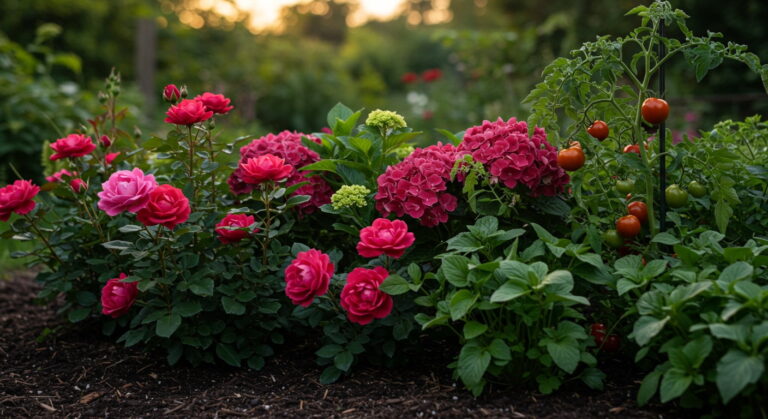
Dahlia How To Plant
Ready to grow stunning dahlias? From choosing the perfect spot to nurturing those tubers, we’ve got you covered. Let’s dive in and create a garden full of dazzling, show-stopping flowers this season!
How to Plant Dahlias: A Step-by-Step Guide
Choosing the Right Planting Time for Your Zone
Timing is everything when planting dahlias, so you must wait until the soil is warm enough. Dahlias are tropical tubers that cannot tolerate frost, so plant them outdoors about two weeks after your area’s last frost date.
If you plant too early in cold, wet soil, the tubers will likely rot. Gardeners in cooler climates can start tubers indoors in pots about a month before the last frost to get a head start. This gives them strong roots before moving them outside.
Always wait until the soil temperature reaches at least 60°F (15°C) before planting directly into the ground. If you live in a warmer zone, you can often plant a bit earlier, just keep an eye on the weather forecast for unexpected cold snaps.
Being patient ensures your dahlias wake up from dormancy and grow vigorously rather than struggling in chilly conditions.
Selecting the Perfect Site for Sun and Drainage
Dahlias thrive on sunshine and airflow, so picking the right spot is crucial for a healthy crop. Choose a location that receives at least 6 to 8 hours of full sun daily; this promotes strong stems and abundant blooms.
While they love sun, they also appreciate some afternoon shade in extremely hot climates to prevent stress from wilting. Equally important is ensuring the soil drains well, as standing water will quickly rot the tubers. Avoid low-lying areas of the garden where water tends to pool after heavy rains.
If your soil holds water like a sponge, consider building a raised bed or mounding the soil to improve drainage. Giving them plenty of space between plants allows air to circulate freely, which helps prevent fungal diseases.
A sunny, breezy spot with good drainage is the secret to keeping your plants happy and blooming all season.
Preparing the Soil for Optimal Growth
To get the most out of your dahlias, you need rich, loose soil that their tuberous roots can easily expand through. Start by digging a foot deep to loosen the earth, removing any rocks or debris that might block growth.
Work in plenty of organic matter, such as compost or well-rotted manure, to provide the nutrients they crave. Dahlias are heavy feeders, so mixing in a balanced, slow-release fertilizer before planting will fuel their rapid growth during the summer.
You want the soil to be friable and crumbly, not compacted like concrete. Proper preparation not only anchors the tall plants firmly but also retains necessary moisture without becoming soggy. Avoid using fresh manure, as it can burn the plants and encourage rot.
Taking the time to prep your soil properly creates the perfect foundation, leading to stronger stalks and bigger, more vibrant flowers.
How to Prepare and Plant Dahlia Tubers
Soaking Tubers Before Planting
Before planting, soak your dahlia tubers in lukewarm water for 1-2 hours to rehydrate them. This step helps plump up the tubers and encourages faster sprouting. Avoid over-soaking, as prolonged exposure to water can cause rot.
After soaking, inspect the tubers for any signs of damage or disease—trim away any mushy or dark sections with a clean knife. If you’re unsure about the tubers’ health, a light dusting of sulfur powder can help prevent fungal issues.
Healthy tubers are firm and have visible “eyes” or growth buds. Soaking is especially helpful if the tubers have been stored dry for months. Once rehydrated, they’ll be ready to plant and more likely to thrive in your garden.
Correct Depth and Spacing for Tubers
Plant dahlia tubers 4-6 inches deep with the eye (or growing point) facing upward. This depth protects the tubers from temperature fluctuations while allowing shoots to emerge easily. Space tubers 18-24 inches apart to give them room to grow and ensure good air circulation, which reduces disease risk.
If planting in rows, leave 2-3 feet between rows for easy access. For container gardening, choose a pot at least 12 inches deep and wide for one tuber. After planting, water lightly to settle the soil, but avoid overwatering until shoots appear.
Proper spacing and depth are key to healthy, vibrant blooms.
Which Way Should a Dahlia Tuber Face?
Dahlia tubers should be planted with the eye facing upward—this is where new growth will sprout. The eye is a small, raised bump near the crown (the thicker part where tubers connect).
If you’re unsure which end is up, lay the tuber horizontally in the hole; the plant will naturally orient itself as it grows. Avoid planting too deep, or shoots may struggle to reach the surface.
Some gardeners mark the top of the tuber with a bit of chalk before planting to avoid confusion. Proper orientation ensures your dahlias grow straight and strong, producing the stunning blooms you’re looking for.
How to Grow Dahlias in Pots and Containers
Selecting the Right Container Size
When choosing a pot for your dahlias, size really does matter because these tubers need plenty of room to stretch their roots and develop those stunning blooms. Aim for a container that is at least 12 to 15 inches in diameter and holds about 5 to 7 gallons of soil.
This ensures the tubers have enough space to grow without becoming root-bound, which can stunt their growth. Larger containers also help retain moisture, which is crucial since dahlias are thirsty plants. Make sure the pot has adequate drainage holes to prevent waterlogging, as soggy soil can lead to rot.
If you’re planting larger dinnerplate varieties, consider going even bigger—up to 20 inches in diameter. Remember, a generous root system supports a robust plant, so don’t skimp on space. Proper container size is the foundation for a healthy, blooming dahlia, so choose wisely to set yourself up for success.
Best Soil Mix for Potted Dahlias
Dahlias thrive in loose, well-draining soil that’s rich in organic matter, so avoid heavy garden soil that can compact and suffocate the roots. Instead, create a custom mix using high-quality potting soil blended with compost or well-rotted manure to provide essential nutrients.
Adding perlite or vermiculite improves drainage and aeration, preventing tuber rot. Aim for a slightly acidic to neutral pH (6.0–7.0) for optimal growth. Avoid using straight garden soil, as it can harbor pests and diseases while retaining too much water.
A nutrient-rich, fluffy mix encourages strong root development and supports vigorous flowering. You can also mix in a slow-release fertilizer at planting time to give your dahlias a steady supply of nutrients.
The goal is to mimic the light, crumbly texture of their ideal growing conditions, ensuring the roots can breathe and absorb nutrients efficiently. Good soil is the secret to happy dahlias!
Watering Considerations for Containers
Consistent watering is key to growing dahlias in pots, as containers dry out faster than garden beds, especially in hot weather. Check the soil daily by sticking your finger about an inch deep—if it feels dry, it’s time to water.
Aim to water deeply, ensuring moisture reaches the root zone, but avoid letting the pot sit in standing water. Mulching the surface with straw or bark chips can help retain moisture and regulate soil temperature. During peak summer heat, you may need to water daily or even twice a day.
However, be careful not to overwater, as soggy soil can cause tuber rot. A good rule of thumb is to keep the soil evenly moist but not waterlogged. Using a drip irrigation system or self-watering pots can simplify this task.
Proper watering ensures your dahlias stay hydrated and healthy, producing abundant blooms throughout the season.
Essential Care After Planting Dahlias
Watering Schedule: From Planting to Sprouting
Once you’ve tucked your dahlia tubers into the ground, resist the urge to drench them immediately. Unlike established plants, tubers stored dormant over winter and are prone to rot in soggy, cold soil. Only water once you see green shoots breaking the surface, signaling the tuber is actively growing.
Initially, provide about an inch of water weekly, adjusting based on rainfall. As the plant grows and summer heat kicks in, you’ll need to increase the frequency. Deep watering is crucial because it encourages roots to chase moisture deeper into the soil, creating a stronger foundation.
Always water at the base of the plant early in the day to keep foliage dry and prevent fungal diseases. This careful timing ensures your tubers wake up safely without rotting before they even get started.
Applying Fertilizer for Strong Blooms
To get those massive, colorful blooms you’re dreaming of, feeding your dahlias at the right time is non-negotiable. Wait until the plants are about a foot tall before applying your first dose of fertilizer.
A low-nitrogen formula is best here; too much nitrogen will give you lush leaves but very few flowers. You want to direct the plant’s energy into flowering, not just growing stems.
Sprinkle a granular fertilizer around the base of the plant, keeping it away from the stem to prevent burning, and water it in well. Repeating this feeding routine monthly through the summer keeps the energy high.
For an extra boost, you can switch to a liquid bloom booster once buds actually form. Consistent feeding supports the long blooming season, ensuring your garden stays vibrant from mid-summer right up until the first frost arrives.
The Importance of Pinching and Staking
Don’t be afraid to snip your young plants; pinching is the secret to producing more flowers and bushier growth. When your dahlia reaches about 12 to 16 inches tall, use clean shears to cut the main stem just above a set of leaves.
This simple action redirects energy into side shoots, effectively doubling the number of flowering stems later on. Because dahlias produce heavy blooms on relatively hollow stems, they almost always need support. Place a sturdy stake next to the tuber at planting time to avoid damaging the root system later.
As the plant grows, use soft twine to secure the main stem to the stake every few inches. Proper staking prevents your beautiful plants from snapping under the weight of rain or wind, ensuring your display stands tall and proud all season long.
Starting Dahlias Indoors for Earlier Blooms
When to Start Tubers Indoors
For earlier blooms, start your dahlia tubers indoors about 4-6 weeks before your last expected frost date. This gives them a head start without exposing them to cold weather. Check your local frost calendar to time it right—planting too early can lead to leggy growth.
Use well-draining soil in pots, burying the tuber with the eye facing upward. Keep the soil lightly moist but not soggy to prevent rot. Place pots in a warm spot (around 60-70°F) to encourage sprouting. If you don’t have space for all your tubers, prioritize larger ones or favorite varieties.
This method is especially helpful for gardeners in cooler climates where the growing season is short. By starting indoors, you’ll enjoy vibrant blooms weeks earlier than direct planting.
Potting Methods and Lighting Requirements
Choose 1-gallon pots with drainage holes to give tubers room to grow without crowding. Fill them with a nutrient-rich potting mix, and plant tubers 2-3 inches deep. Once sprouted, move pots to a sunny window or under grow lights for 12-14 hours daily.
Dahlias need bright light to stay sturdy—otherwise, they’ll become weak and spindly. Rotate pots weekly to ensure even growth. If using grow lights, keep them 6-12 inches above the plants to mimic sunlight. Avoid overwatering; let the soil dry slightly between waterings to prevent fungal issues.
This setup ensures strong, healthy plants ready for transplanting.
Hardening Off Before Transplanting
About 1-2 weeks before transplanting, start hardening off your dahlias to acclimate them to outdoor conditions. Begin by placing pots in a shaded, sheltered spot for a few hours, gradually increasing sunlight and time outdoors over 7-10 days. Avoid skipping this step—sudden exposure can shock or scorch the plants.
Watch for wilting or leaf burn, and adjust accordingly. If frost is still a risk, bring pots indoors at night. Once hardened, dahlias can handle full sun and wind. Transplant them into prepared garden beds or larger containers after the danger of frost has passed.
This careful transition ensures your dahlias thrive and bloom prolifically all season.
Troubleshooting Common Dahlia Planting Problems
Why Are My Dahlias Not Sprouting?
If your dahlias aren’t sprouting, don’t panic—it often takes 2-4 weeks for tubers to wake up after planting. First, check the soil temperature; dahlias need warmth to grow, so planting too early in cold soil can delay sprouting.
Ensure the tubers are planted with the “eye” facing up, buried 4-6 inches deep in well-draining soil. Overwatering before sprouts appear can cause rot, so keep the soil moist but not soggy. If the tubers feel mushy or shriveled, they may have rotted or dried out.
To speed up sprouting, try pre-sprouting tubers in a warm, bright spot before planting. Patience is key—dahlias thrive in consistent warmth and proper care. Proper spacing (18-24 inches apart) also ensures they have room to grow without competition. With the right conditions, those green shoots will emerge!
Preventing Rot and Fungal Issues
Rot and fungal problems are dahlia growers’ biggest headaches, but they’re preventable with the right steps. Start by planting tubers in well-draining soil to avoid waterlogging, which breeds rot. Avoid heavy clay soils or amend them with compost to improve drainage.
Water at the base of the plant, not the leaves, to reduce fungal risks. If you live in a rainy area, consider raised beds or containers for better drainage. Before planting, inspect tubers for soft spots or mold—discard any that look unhealthy.
A dusting of sulfur powder on cut surfaces can also prevent fungal infections. Mulch lightly to retain moisture but keep it away from the tuber to prevent rot. With these simple precautions, your dahlias will stay healthy and vibrant all season long.
Good airflow around plants also helps minimize fungal issues.
Protecting Dahlias from Pests and Slugs
Slugs and snails love young dahlia shoots, so act fast to protect them. Use organic slug bait or beer traps around your plants to keep these pests at bay. Check leaves regularly for holes, a telltale sign of slug activity.
For other pests like aphids or spider mites, a strong blast of water or insecticidal soap can work wonders. Encourage beneficial insects like ladybugs to naturally control aphid populations. Neem oil is another great option for tackling pests without harming your plants.
Keep the garden tidy by removing debris where pests might hide. If rabbits or deer are a problem, consider fencing or using repellent sprays. Early intervention is key—catching pest problems early saves your dahlias from serious damage. Regular monitoring ensures your plants stay pest-free and thriving all season.
Overwintering Dahlias: Digging and Storing Tubers
Why Are My Dahlias Not Sprouting?
If your dahlias aren’t sprouting, don’t panic—it often takes 2-4 weeks for tubers to wake up after planting. First, check the soil temperature; dahlias need warmth to grow, so planting too early in cold soil can delay sprouting.
Ensure the tubers are planted with the “eye” facing up, buried 4-6 inches deep in well-draining soil. Overwatering before sprouts appear can cause rot, so keep the soil moist but not soggy. If the tubers feel mushy or shriveled, they may have rotted or dried out.
To speed up sprouting, try pre-sprouting tubers in a warm, bright spot before planting. Patience is key—dahlias thrive in consistent warmth and proper care. Proper spacing (18-24 inches apart) also ensures they have room to grow without competition. With the right conditions, those green shoots will emerge!
Preventing Rot and Fungal Issues
Rot and fungal problems are dahlia growers’ biggest headaches, but they’re preventable with the right steps. Start by planting tubers in well-draining soil to avoid waterlogging, which breeds rot. Avoid heavy clay soils or amend them with compost to improve drainage.
Water at the base of the plant, not the leaves, to reduce fungal risks. If you live in a rainy area, consider raised beds or containers for better drainage. Before planting, inspect tubers for soft spots or mold—discard any that look unhealthy.
A dusting of sulfur powder on cut surfaces can also prevent fungal infections. Mulch lightly to retain moisture but keep it away from the tuber to prevent rot. With these simple precautions, your dahlias will stay healthy and vibrant all season long.
Good airflow around plants also helps minimize fungal issues.
Protecting Dahlias from Pests and Slugs
Slugs and snails love young dahlia shoots, so act fast to protect them. Use organic slug bait or beer traps around your plants to keep these pests at bay. Check leaves regularly for holes, a telltale sign of slug activity.
For other pests like aphids or spider mites, a strong blast of water or insecticidal soap can work wonders. Encourage beneficial insects like ladybugs to naturally control aphid populations. Neem oil is another great option for tackling pests without harming your plants.
Keep the garden tidy by removing debris where pests might hide. If rabbits or deer are a problem, consider fencing or using repellent sprays. Early intervention is key—catching pest problems early saves your dahlias from serious damage. Regular monitoring ensures your plants stay pest-free and thriving all season.
Frequently Asked Questions
When is the best time to plant dahlias?
Plant dahlias in the spring after the last frost when soil temperatures reach 60°F (15°C). Wait until all danger of frost has passed to avoid damaging the tubers. This timing ensures optimal growth and flowering during the warmer months.
How deep should I plant dahlia tubers?
Plant dahlia tubers 4-6 inches deep with the eye (or growing point) facing upward. Space them 12-18 inches apart to allow for proper air circulation and growth. Cover lightly with soil and water gently after planting.
What type of soil do dahlias prefer?
Dahlias thrive in well-draining, loamy soil rich in organic matter. Avoid heavy clay or waterlogged soil, as it can cause tuber rot. Adding compost or aged manure can improve soil quality and drainage.
Do dahlias need full sun or partial shade?
Dahlias prefer full sun, requiring at least 6-8 hours of direct sunlight daily. In hotter climates, they benefit from some afternoon shade to prevent wilting. Ensure they get enough light for vibrant blooms and strong stems.
Should I soak dahlia tubers before planting?
Soaking dahlia tubers isn’t necessary but can help rehydrate them if they appear shriveled. If soaking, do so for no more than 1-2 hours to avoid rot. Otherwise, plant them directly into moist soil.
How often should I water newly planted dahlias?
Water dahlias sparingly until sprouts appear to avoid rotting the tubers. Once growth starts, water deeply 1-2 times a week, depending on rainfall. Ensure the soil remains moist but not waterlogged.
Can I grow dahlias in containers?
Yes, dahlias can grow in containers, but choose a large pot (at least 12-16 inches deep) for proper root development. Use a high-quality potting mix with good drainage. Containers allow you to move plants for optimal sunlight or protection from frost.
Conclusion
Support tall varieties with stakes and enjoy flowers from midsummer to fall. Remember to dig up tubers in colder climates for winter storage. With a little care, you’ll create a stunning display that attracts pollinators and adds color to your outdoor space.