
Comparison: Best Beginner Raised Garden Bed (Updated | Jan 12th)
Starting your gardening journey? A raised garden bed is one of the smartest moves a beginner can make—easy to manage, great drainage, and kinder on your back. But with so many options out there, how do you know which one’s truly the best for new gardeners? We’ve dug into the top contenders, comparing materials, setup ease, value, and durability. Whether you’re growing tomatoes or herbs, we’ll help you pick a bed that sets you up for growing success—right from day one.
Key Takeaways
- The top pick offers a spacious, sturdy all-wood design with excellent weight capacity for beginners.
- Look for raised beds with good drainage—6 or more holes prevent waterlogging.
- Choose durable materials like solid wood to ensure longevity and stability.
- Elevated height and solid construction help deter pests and animals naturally.
- Match bed size to your space and gardening goals for best results.
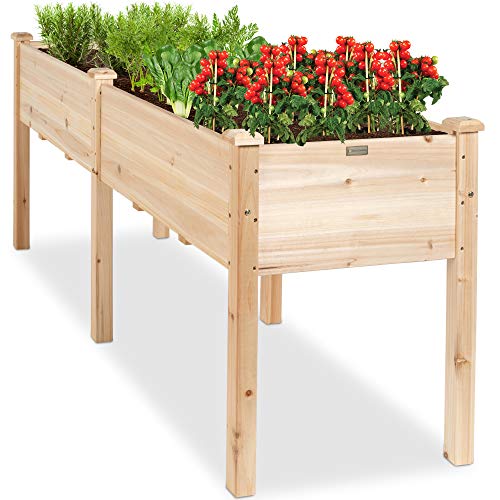
Best Choice Products 72x24x30in Raised Garden Bed
Spacious Elevated Planter
- Spacious planting area
- Sturdy all-wood build
- Excellent weight capacity
- BEST FOR MOBILE GARDEN SOLUTION: Best Choice Products Raised Garden Bed 48x24x32-inch Mobile Elevated Wood Planter w/Lockable Wheels Read More ↓
- BEST FOR SPACIOUS ELEVATED PLANTER: Best Choice Products 72x24x30in Raised Garden Bed Read More ↓
Product Comparison: Best Beginner Raised Garden Bed
Best Choice Products Raised Garden Bed 48x24x32-inch Mobile Elevated Wood Planter w/Lockable Wheels, Storage Shelf, Protective Liner – Gray

This 48x24x32-inch raised garden bed from Best Choice Products is ideal for beginner gardeners seeking comfort and mobility. Standing 32 inches high, it reduces back strain, making planting and harvesting easy.
The built-in lockable wheels let you shift the bed to follow sunlight or protect plants from harsh weather. Constructed from durable wood with a protective liner, it resists rot and weeds.
Four drainage holes ensure healthy roots by preventing waterlogging. A convenient bottom shelf stores tools and supplies.
Perfect for patios, decks, or small yards, this mobile planter combines functionality and accessibility for a seamless gardening experience.
✓ Reasons to Buy
- Easy mobility with wheels
- Ergonomic height for comfort
- Built-in storage shelf
- Effective drainage system
- Durable wood construction
✗ Reasons Not to Buy
- Heavier when fully loaded
- Higher price than basic models
- Assembly takes time
Best Choice Products 72x24x30in Raised Garden Bed, Elevated Wood Planter Box Stand for Backyard, Patio, Balcony w/Divider Panel, 6 Legs, 300lb Capacity – Natural
The 72x24x30-inch raised garden bed by Best Choice Products offers ample growing space for vegetables, herbs, or flowers. With 8.4 cubic feet of soil capacity, it’s great for beginners wanting to grow more in one place.
Made from sturdy Chinese fir wood, it withstands outdoor elements without warping. The 30-inch height spares your back and knees during maintenance.
Six drainage holes promote root health and prevent water buildup. Its elevated design deters pests like rabbits and curious pets.
At 300 lbs weight capacity, it supports heavy soil and plants. A smart, spacious choice for backyard or patio gardening.
✓ Reasons to Buy
- Spacious planting area
- Sturdy all-wood build
- Excellent weight capacity
- Good drainage with 6 holes
- Discourages pests and animals
✗ Reasons Not to Buy
- Too large for small spaces
- Requires two people to assemble
- No mobility features
Product prices and availability are accurate as of the date/time indicated and are subject to change. Any price and availability information displayed on Amazon.com at the time of purchase will apply to the purchase of this product.
Buying Guide
FAQs
What should I look for in a beginner raised garden bed?
Look for easy assembly, durable materials like cedar or recycled plastic, and a height that suits your comfort for planting and weeding. A depth of at least 12 inches ensures good root development for most vegetables. Pre-cut kits with included hardware simplify setup for first-time users. Also, consider whether the bed comes with a bottom or requires a liner.
How do wood and plastic raised beds compare?
Wood beds, especially cedar, offer a natural look and good insulation but may degrade over time. Plastic beds are lightweight, rot-proof, and often more affordable but can look less attractive. Wood typically lasts 5–10 years with proper care, while high-quality plastic can last 10–15 years. Choose based on longevity, aesthetics, and budget.
Are deeper raised beds worth it for beginners?
Yes, deeper beds (12–24 inches) provide better drainage and more room for root growth, which is ideal for vegetables like tomatoes and carrots. They reduce the need for frequent watering and soil compaction issues. While more expensive and requiring more soil, the long-term plant health benefits are significant. Shallow beds work for herbs and lettuce but limit crop variety.
What size raised garden bed is best for starting out?
A 4 ft x 4 ft or 4 ft x 8 ft bed is ideal for beginners, allowing easy access from all sides without stepping on the soil. This size fits most backyards and supports a variety of plants. Avoid widths over 4 feet to prevent strain when reaching the center. Starting small helps manage weeds and watering more effectively.
Do I need a raised bed with a bottom or weed barrier?
Most raised beds don’t have a bottom to allow root penetration and drainage, but a weed barrier underneath helps prevent grass and weeds from invading. Use landscape fabric or cardboard as a base layer before adding soil. A solid bottom is only necessary if placing the bed on contaminated soil or pavement. This setup improves soil quality and reduces maintenance.
How important is assembly time and tools required?
For beginners, quick assembly with minimal tools (like a screwdriver or included hardware) makes setup less daunting. Pre-cut kits with snap-together or bolt-together designs save time and reduce errors. Avoid beds requiring power tools or complex instructions if you’re new to DIY. Easy assembly means you can start planting faster.
What features add the most value for beginners?
Features like built-in trellises, corner braces, and included liners enhance usability and durability. Some beds come with covers for pest protection or season extension. Look for modular designs that let you expand later as your gardening grows. These extras can save money and effort over time.
How do I evaluate the cost versus value of a raised garden bed?
Compare the bed’s material, size, and included accessories to its price. A slightly higher upfront cost for cedar or thick plastic often pays off in longevity. Cheaper beds may need replacement in a few years, increasing long-term costs. Consider how often you’ll use it and the quality of your growing environment.