
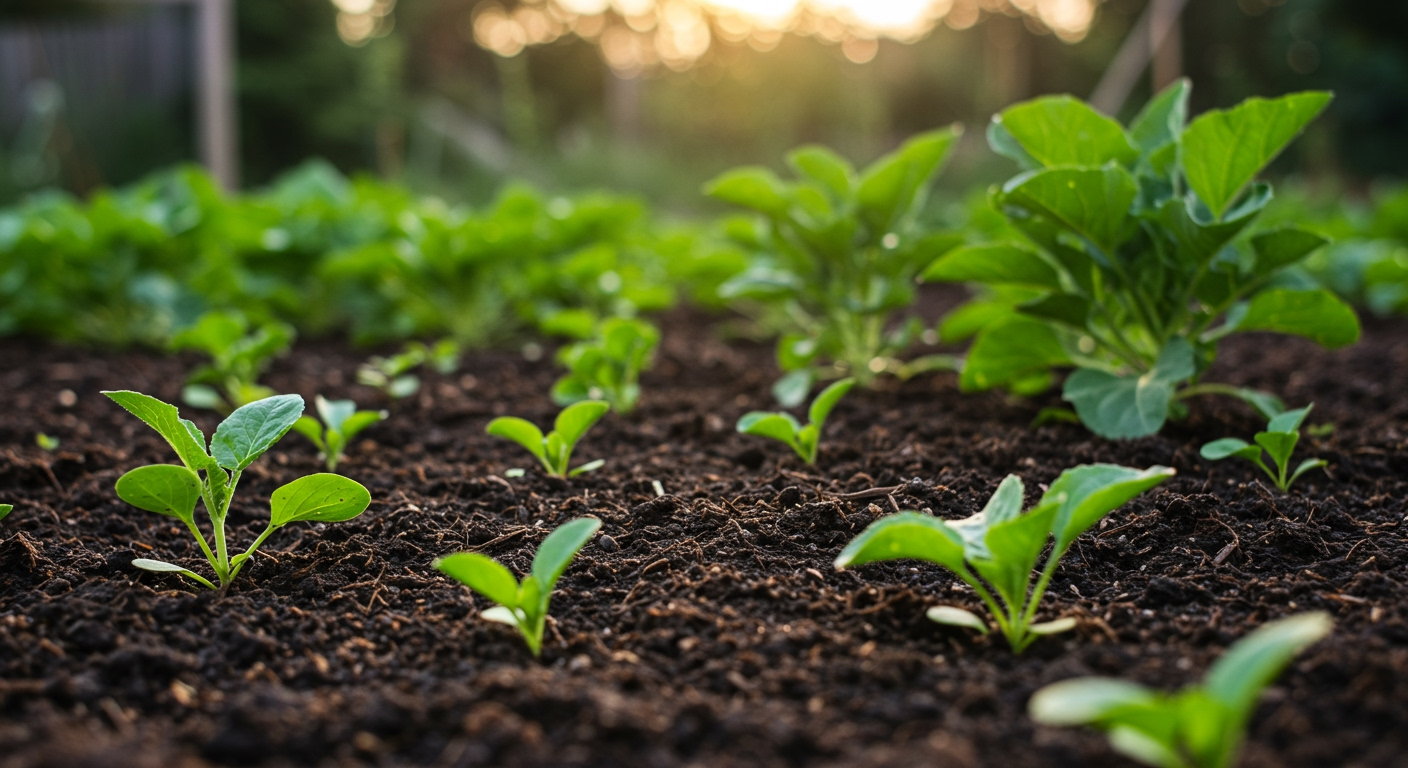
Best Place For Heirloom Seeds
Understanding Heirloom Seeds: A Foundation for Selection
Gardening with heirloom seeds offers a journey rich in history, flavor, and genetic diversity. Before exploring sources, understanding what defines an heirloom seed and its value is crucial.
Defining Heirloom Seeds: More Than Just Old
Heirloom varieties are plants passed down through generations, characterized by their open-pollinated nature. This means seeds grow true to type, preserving parent plant characteristics. While definitions vary, heirlooms are often considered at least 50 years old or pre-dating World War II. This lineage brings unique stories, regional adaptations, and distinct traits.
- Genetic Stability: Heirloom seeds consistently yield plants with identical traits to the parent, unlike modern hybrids.
- Historical Provenance: Many heirlooms carry rich histories, linking gardeners to past agricultural practices and cultures.
- Flavor and Nutrition: They are frequently prized for superior flavor, texture, and nutritional profiles, often prioritized over shelf life in commercial varieties.
The Value Proposition: Why Choose Heirloom Seeds?
Gardeners select heirloom seeds for compelling reasons, primarily their unparalleled taste. Commercial agriculture often sacrifices flavor for traits like transportability and uniform ripening. Heirloom varieties, conversely, have been preserved precisely for their exceptional culinary attributes.
Beyond flavor, heirlooms are vital for preserving biodiversity. As industrial agriculture focuses on a narrow range of hybrid varieties, countless traditional varieties face loss. Cultivating heirlooms helps maintain a broad genetic base, critical for food system resilience against changing climates, pests, and diseases.
Furthermore, growing heirlooms fosters connection to the past and encourages self-sufficiency. Saving seeds from your own harvest, knowing they will reliably reproduce the same plant, empowers gardeners in preserving these living legacies. This cycle of growing, enjoying, and saving creates a sustainable and rewarding gardening practice.
Navigating the Landscape of Seed Sources: Where to Look
Identifying reliable sources for heirloom seeds is crucial. The market offers diverse options, with the best choice depending on individual needs, location, and desired interaction.
Specialized Heirloom Seed Companies
Dedicated heirloom seed companies are often the most comprehensive resource, specializing exclusively in open-pollinated, non-GMO varieties. Operating via online stores and catalogs, they provide extensive selections of heirlooms with detailed descriptions and historical context. Prioritize companies with transparent practices regarding seed sourcing, germination rates, and robust customer support for quality, authentic seeds.
Local Nurseries and Garden Centers
Independent, locally focused nurseries increasingly offer heirloom seeds, especially those proven to thrive regionally. A key advantage is direct access to knowledgeable staff offering tailored advice for your specific growing conditions. Physical inspection of seed packets is beneficial, though selection may be limited compared to online specialists. Supporting local businesses while gaining regional expertise makes these a valuable option.
Farmers’ Markets and CSAs
Farmers’ markets excel for discovering local heirloom seeds or seedlings. Farmers often save or locally source seeds, ensuring regional adaptation. Engaging directly with these growers provides insights and access to truly local heirlooms. While selection is limited and seasonal, the direct grower connection and proven local viability are distinct advantages.
Seed Exchanges and Swaps
Community seed exchanges, organized by garden clubs or events, offer opportunities to discover rare, regionally adapted heirlooms, often at low or no cost. These foster community and provide access to unique varieties. Quality and authenticity vary, and germination rates are often unknown. Test small batches of seeds from new swap sources to assess viability.
Online Communities and Forums
Online gardening communities (e.g., dedicated forums, social media groups) provide invaluable information for finding reliable heirloom seed sources. Members share experiences, recommend reputable companies, and offer warnings. They provide real-time peer reviews and niche information, helping gardeners navigate the market and find trusted options.
Saving Your Own Seeds: The Ultimate Source
For committed heirloom gardeners, their own garden becomes the ultimate seed source. Mastering open pollination and proper seed saving allows for a continuous supply of favorite varieties year after year. This practice ensures varietal authenticity, adapts plants to one’s microclimate, and fosters ultimate self-sufficiency, representing the pinnacle of heirloom gardening.
Criteria for Evaluating Seed Sources: Ensuring Quality and Reliability
Selecting the “best” place for heirloom seeds involves careful evaluation of the source. The quality and reliability of your seed supplier directly impact gardening success. Astute gardeners use key criteria to acquire authentic, viable seeds from reputable vendors.
Reputation and Longevity
Reputation and longevity indicate a reliable seed source. Established companies with decades of service often have a proven track record of quality and customer satisfaction. Researching reviews, checking forums, and seeking recommendations provides valuable insights. A consistently high-performing company builds trust.
Seed Purity and Germination Rates
Seed purity ensures seeds are true to variety, free from contamination. Germination rate indicates the percentage of seeds expected to sprout under ideal conditions. Reputable heirloom seed companies typically conduct and publish germination tests. Transparency about testing protocols is crucial, as high germination rates are essential for efficient garden space use.
Variety Selection and Authenticity
While vast selection is appealing, authenticity is paramount for heirloom seeds. Ensure the source provides clear descriptions of each variety, including its history, origins, and specific characteristics. Be wary of vague descriptions or “heirloom-style” claims without genuine lineage. Best sources offer broad range, demonstrating deep understanding and respect for each heirloom’s historical integrity, often providing robust background information.
Growing Information and Customer Support
Access to comprehensive growing information is invaluable, especially for gardeners new to specific heirloom varieties. Reliable seed sources often provide detailed guides on planting, cultivation, and harvesting specific to their offerings. Responsive and knowledgeable customer support is also a significant asset, enhancing the gardening experience and building trust.
Ethical Practices and Sustainability
Many heirloom gardeners value ethical and sustainable practices. Consider a seed source’s commitment to these values: Do they source organic, are they part of biodiversity initiatives, or support small farmers? Companies upholding strong ethical stances, such as non-GMO pledges and open-pollinated advocacy, often align well with the heirloom gardening philosophy, fostering deeper connection to the food system.
Packaging and Return Policies
Practical aspects like packaging and return policies are also important. High-quality seed packaging protects viability during transit and storage, shielding seeds from light, moisture, and temperature extremes. Ensure seeds are shipped securely. A clear and fair return policy indicates a company’s confidence in their product and commitment to customer satisfaction, preventing frustrations.
Beyond the Basics: Advanced Considerations for Heirloom Seed Procurement
For experienced gardeners, advanced considerations refine heirloom seed choices, enhancing success, suitability, and sustainability.
Organic vs. Conventionally Grown Heirloom Seeds
True heirloom seeds are open-pollinated but not inherently organic. Seed companies may source from organic or conventional growers. Choosing organic heirloom seeds means parent plants were grown without synthetic pesticides or fertilizers, aligning with ecological principles. Always check for organic certification if this is a priority.
Disease Resistance and Regional Adaptation
Heirloom varieties often possess natural resistances to local pests and diseases, but these are not universal. Select varieties known to thrive in your specific climate, soil, and common local issues. Some suppliers specialize in “regional heirlooms” adapted to certain zones, which can minimize interventions and increase harvest success.
Understanding Seed Generations and Provenance
The “generation” of a seed refers to its history of being grown and saved. Some gardeners prefer seeds saved for many generations within a family or community, suggesting strong adaptation. Provenance, the detailed origin story, offers clues about ideal growing environments and historical significance. More information about a seed’s history increases confidence in its authenticity and inherent qualities.
Seed Viability and Proper Packaging
Maintaining seed viability is crucial. Reputable suppliers package seeds in protective materials that shield them from light, moisture, and extreme temperatures; vacuum-sealed or foil-lined packets are superior. Always check the “packed for” date to gauge freshness. While heirlooms can last years, fresher seeds generally offer higher germination rates, leading to more reliable sprouts.
Maximizing Your Heirloom Seed Success: Practical Tips for Gardeners
Acquiring quality heirloom seeds is the initial step; successful cultivation requires diligence. Integrating these tips ensures your heirloom varieties flourish, yielding bountiful and flavorful harvests.
Proper Seed Storage
To maintain viability, store heirloom seeds in a cool, dark, and dry environment. An airtight container, like a glass jar with a desiccant, in a refrigerator or freezer, significantly extends shelf life. Clear labeling with variety, source, and year is essential. Protecting seeds from humidity and temperature fluctuations preserves their genetic potential until planting.
Strategic Planting: Indoors vs. Direct Sowing
Understanding whether a specific heirloom thrives when started indoors or direct-sown is crucial. Heat-loving varieties often benefit from indoor starts before the last frost. Cooler-season crops or those disliking transplanting (e.g., carrots) are generally best direct-sown. Always consult specific growing instructions from your seed supplier for optimal results and timing.
Garden Planning and Crop Rotation
Effective garden planning, including crop rotation, benefits heirlooms by breaking pest and disease cycles and maintaining soil fertility. Grouping plants by family ensures proper nutrient provision and prevents pathogen buildup. Thoughtful placement maximizes sun and minimizes competition, especially if planning for seed saving to prevent cross-pollination.
Diligent Record Keeping
Detailed records are invaluable for the heirloom gardener. Note variety, source, planting date, germination, growth, pests/diseases, harvest dates, and yield. This data helps assess performance in your garden and informs future decisions. For seed savers, accurate records are vital for tracking generations and maintaining genetic line integrity.
Cultivating a Legacy: The Heirloom Gardening Conclusion
Cultivating heirloom seeds is profoundly rewarding, connecting gardeners to history, flavor, and genetic diversity. Choosing the “best place” involves careful consideration of reputable sources, but ultimate success lies in mindful cultivation and appreciating each variety’s unique characteristics.
Beyond Acquisition: Responsibility and Preservation
Heirloom gardening embodies historical preservation and environmental stewardship. Each seed carries a story, a legacy of generations who carefully selected and saved these varieties. Gardeners become custodians of this living heritage, contributing to biodiversity and resilience in our food systems.
The “best place” for heirloom seeds is a confluence of trusted suppliers, engaged communities, and the gardener’s diligent efforts in nurture and, potentially, seed saving. Through careful selection, thoughtful cultivation, and a commitment to these timeless varieties, heirloom seeds offer more than just a harvest; they provide a deeper connection to nature, history, and the future of sustainable food for generations to come.

