
Comparison: Best Raised Garden Beds For Beginners (Updated | Jan 14th)
Don’t worry—we’ve tested and compared the top beginner-friendly raised garden beds to help you choose the right one. From easy-to-assemble kits to durable materials that last, we’ll guide you to the best pick for your space, budget, and gardening goals.
Key Takeaways
- The top pick offers 8.4 cu ft of space and a 30-inch ergonomic height for easy access.
- Durable fir wood construction ensures longevity and resistance to outdoor elements.
- Excellent drainage and pest protection help maintain healthy plant growth.
- Choose a bed with ample depth and sturdy materials for beginner success.
- Prioritize easy assembly and raised height to reduce strain during gardening.
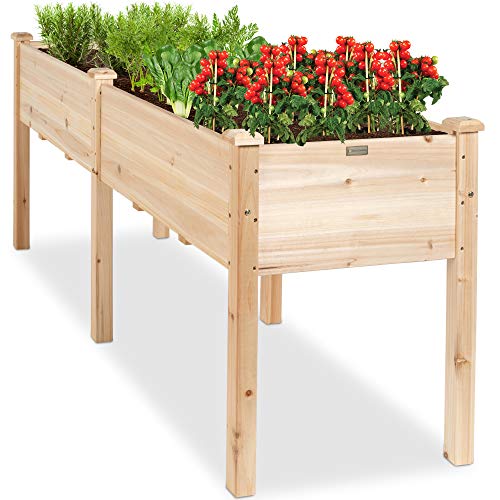
Best Choice Products 72x24x30in Raised Garden Bed
Spacious Elevated Design
- Spacious 8.4 cu ft
- Ergonomic 30-inch height
- Durable fir wood build
- BEST FOR SPACIOUS ELEVATED DESIGN: Best Choice Products 72x24x30in Raised Garden Bed Read More ↓
- BEST FOR MOBILE GARDEN SOLUTION: Best Choice Products Raised Garden Bed 48x24x32-inch Mobile Elevated Wood Planter w/Lockable Wheels Read More ↓
Product Comparison: Best Raised Garden Beds For Beginners
Best Choice Products 72x24x30in Raised Garden Bed, Elevated Wood Planter Box Stand for Backyard, Patio, Balcony w/Divider Panel, 6 Legs, 300lb Capacity – Natural
This raised garden bed from Best Choice Products offers ample growing space with its 72x24x30-inch design, perfect for beginners wanting to grow vegetables, herbs, or flowers without bending or kneeling. Made from durable Chinese fir wood, it resists warping and withstands outdoor elements.
The 30-inch height is ideal for back-friendly gardening, great for patios, decks, or yards. Six drainage holes ensure healthy root systems by preventing waterlogging.
It holds up to 300 lbs, supporting rich soil and heavy plants. The elevated design also helps protect your garden from pests and pets, making it a smart, long-term investment for hassle-free gardening.
✓ Reasons to Buy
- Spacious 8.4 cu ft
- Ergonomic 30-inch height
- Durable fir wood build
- Excellent drainage system
- Protects from pests
✗ Reasons Not to Buy
- Heavy once assembled
- No wheels for mobility
- Assembly takes time
Best Choice Products Raised Garden Bed 48x24x32-inch Mobile Elevated Wood Planter w/Lockable Wheels, Storage Shelf, Protective Liner – Gray

Ideal for beginner gardeners with limited space or mobility, this 48x24x32-inch raised garden bed features lockable wheels for easy movement, letting you follow the sun or shelter plants during harsh weather. Standing at 32 inches tall, it reduces back strain and is perfect for those with limited mobility.
The built-in shelf offers convenient storage for tools, and a liner helps prevent weeds while protecting the wood. Four drainage holes maintain proper moisture levels.
Though smaller than some models, its smart design maximizes usability and portability, making it a top pick for urban gardens, patios, or small backyards.
✓ Reasons to Buy
- Lockable wheels for mobility
- Ergonomic 32-inch height
- Built-in storage shelf
- Includes protective liner
- Easy to reposition
✗ Reasons Not to Buy
- Lower weight capacity
- Smaller growing area
- Shelf takes soil space
Product prices and availability are accurate as of the date/time indicated and are subject to change. Any price and availability information displayed on Amazon.com at the time of purchase will apply to the purchase of this product.
Buying Guide
FAQs
What should I look for in a raised garden bed for beginners?
Look for easy assembly, durable materials like cedar or galvanized steel, and a depth of at least 12 inches for healthy root growth. Ensure the bed has good drainage and comes with a weed barrier. Beginner-friendly models often include soil recommendations or planting guides. Prioritize size based on available space and what you plan to grow.
How do wood and metal raised garden beds compare?
Wood beds, especially cedar, offer natural aesthetics and good insulation but may degrade over time. Metal beds, like galvanized steel, are more durable and pest-resistant but can heat up in direct sun. Wood typically blends better in traditional gardens, while metal gives a modern look. Consider your climate and garden style when choosing between them.
Are pre-assembled beds worth the cost?
Pre-assembled beds save time and effort, making them ideal for beginners with limited DIY skills. They often cost more than DIY kits but come with better hardware and instructions. If you value convenience and quick setup, the extra cost may be justified. Compare materials and warranty to assess long-term value.
What size raised bed is best for starting out?
A 4×4 or 4×8 foot bed is ideal for beginners, offering ample space without being overwhelming. Keep width under 4 feet to reach the center easily without stepping in. Depth should be at least 12 inches for most vegetables. Smaller beds are easier to manage and fit in limited spaces.
Do raised beds need a bottom or liner?
Most raised beds don’t need a bottom to allow for natural drainage and root penetration. A landscape fabric liner can prevent weeds and pests like burrowing rodents. Avoid plastic liners, which can retain too much moisture. Check if your bed includes a liner or recommend one based on your soil conditions.
Which materials offer the best value over time?
Cedar and redwood are naturally rot-resistant and last 10+ years with minimal maintenance. Galvanized steel beds can last even longer and withstand harsh weather. Though pricier upfront, both save money over time compared to cheaper, short-lived options. Avoid treated lumber that may leach chemicals into the soil.
Can I build my own instead of buying one?
Yes, building your own can be cheaper and customizable to your space and needs. You’ll need basic tools and materials like untreated lumber or stone. However, pre-made beds often include features like corner brackets and liners for easier setup. Weigh your time, skill level, and desired durability before deciding.
What features improve usability for beginners?
Look for beds with built-in trellises, adjustable heights, or modular designs for flexibility. Legs or stands make them accessible for those with mobility issues. Some include irrigation systems or covers for season extension. These extras can simplify gardening and boost success rates.
How important is soil depth in a raised bed?
Soil depth directly affects plant health—shallow beds limit root development and water retention. Most vegetables need 12–18 inches; root crops like carrots need deeper beds. Choose a bed that allows for proper layering of soil and compost. Deeper beds may cost more but support a wider variety of plants.
Are there eco-friendly raised bed options?
Yes, look for beds made from sustainably sourced wood or recycled materials. Cedar and bamboo are renewable and biodegradable. Some metal beds use recycled steel and are fully recyclable at end-of-life. Avoid plastics and chemically treated woods to keep your garden environmentally safe.