Eucalyptus How To Plant
You’re in the right place! Whether you’re starting from seeds or a sapling, we’ve got you covered with easy-to-follow instructions. By the end, you’ll know exactly how to nurture this aromatic beauty, so it thrives for years to come.
How to Plant Eucalyptus: A Step-by-Step Guide
Choosing the Right Time of Year for Planting
Timing is everything when planting eucalyptus, so aim for mid-spring to early summer when the soil is warm and frost risks have passed. This gives the tree a strong start, allowing roots to establish before winter.
Avoid planting during extreme heat or cold, as young eucalyptus are sensitive to temperature swings. If you’re in a cooler climate, wait until late spring to ensure the ground has thawed and warmed up.
For warmer regions, early autumn can also work, giving the tree time to settle before the cooler months. Always check your local frost dates to avoid unexpected cold snaps that could damage your new planting. Patience in timing pays off with healthier growth!
Selecting the Ideal Planting Site
Eucalyptus thrives in full sun and well-drained soil, so pick a spot that gets at least six hours of direct sunlight daily. Avoid low-lying areas where water might pool, as soggy roots can lead to disease.
Consider the tree’s mature size—some species grow tall and wide, so give it plenty of room to spread without crowding other plants or structures. If space is tight, choose a smaller variety like a dwarf eucalyptus. Wind protection is also helpful, especially for young trees, so avoid exposed, windy spots.
A sheltered location with good air circulation will keep your tree happy and healthy for years to come.
Preparing the Soil for Optimal Growth
Start by clearing weeds and loosening the soil to a depth of 12-18 inches to encourage deep root growth. Eucalyptus prefers sandy or loamy soil with a slightly acidic to neutral pH. If your soil is heavy clay, mix in organic compost or well-rotted manure to improve drainage and texture.
Avoid over-fertilizing, as eucalyptus is adapted to nutrient-poor soils and too much fertilizer can harm growth. A layer of mulch around the base will retain moisture and suppress weeds, but keep it a few inches away from the trunk to prevent rot.
Well-prepared soil ensures your tree gets the nutrients and drainage it needs to flourish.
Planting the Eucalyptus Tree or Seed
For potted trees, dig a hole twice as wide as the root ball and the same depth. Gently remove the tree from its container, tease out circling roots, and place it in the hole. Fill with soil, tamping it down lightly to remove air pockets.
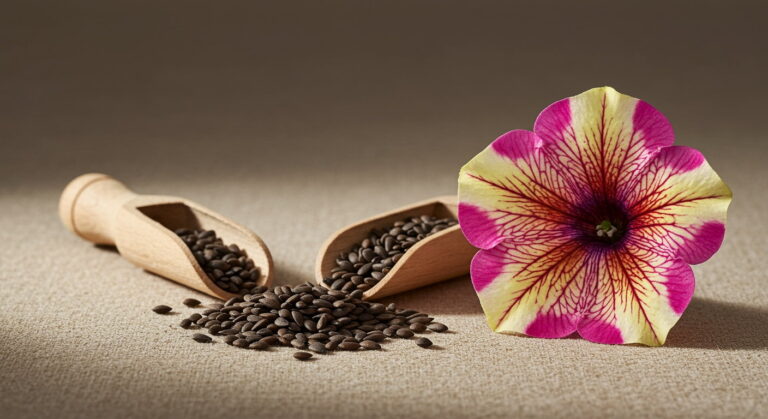
Water thoroughly to settle the soil. If planting seeds, sow them on the soil surface in a seed tray, lightly pressing them in—eucalyptus seeds need light to germinate. Keep the soil moist but not waterlogged, and place the tray in a warm, sunny spot.
Seeds can take a few weeks to sprout, so be patient and maintain consistent care.
Choosing the Right Eucalyptus Variety for Your Garden
Cold-Hardy Eucalyptus Species for Cooler Climates
If you live in a colder region, choose eucalyptus varieties like Eucalyptus gunnii or Eucalyptus pauciflora (snow gum), which can withstand frost and even light snow. Plant them in a sunny spot with well-draining soil, and mulch heavily in winter to protect roots.
Young trees benefit from windbreaks to prevent damage. Hardy eucalyptus species are perfect for adding year-round greenery without worrying about freezing temperatures. Just ensure they have room to grow and aren’t exposed to prolonged wet conditions, which can harm their roots.
Fast-Growing Varieties for Quick Privacy
For a fast-growing privacy screen, consider Eucalyptus globulus or Eucalyptus nitens, which can shoot up several feet per year. Plant them in a row, spacing trees 6-10 feet apart, and water regularly during the first year to establish strong roots. These varieties thrive in full sun and well-drained soil.
Keep in mind that fast growers may need occasional pruning to maintain shape and prevent overcrowding. Within a few seasons, you’ll have a lush, natural barrier that blocks noise and wind effectively.
Compact Eucalyptus Options for Small Spaces
Small gardens or containers? Go for compact varieties like Eucalyptus parvifolia or Eucalyptus cinerea, which stay under 10 feet tall. These dwarf eucalyptus trees are ideal for patios or tight spots. Plant them in large pots with drainage holes and use a well-draining potting mix.
Place them in a sunny location and water when the top inch of soil feels dry. Prune lightly to encourage bushy growth. Compact eucalyptus adds texture and fragrance without overwhelming your space.
Ornamental vs. Timber Eucalyptus: What’s Your Goal?
Decide whether you want ornamental eucalyptus for its stunning foliage or timber eucalyptus for firewood or construction. Ornamental varieties like Eucalyptus pulverulenta are grown for their silver leaves and make great focal points. Timber types, such as Eucalyptus regnans, grow tall and straight but need more space and care.
Match your choice to your garden’s purpose—if aesthetics are key, go for ornamental; if you need practical uses, timber varieties are the way to go. Always check growth habits before planting to avoid surprises.
Essential Soil and Sun Requirements for Healthy Growth
Why Well-Draining Soil is Critical for Eucalyptus
When planting eucalyptus, drainage is non-negotiable. These fast-growing trees hate sitting in water, which can quickly lead to root rot and other diseases. To ensure success, choose a spot where water doesn’t pool after heavy rain.
If your garden has heavy clay soil, consider planting on a slight mound or in a raised bed to help excess water escape. Well-draining soil keeps the root system healthy and encourages vigorous growth.
Before planting, dig a hole twice as wide as the root ball to loosen surrounding earth, giving roots an easy path to expand. Remember, soggy soil is a eucalyptus enemy, so prioritize good drainage above all else for a thriving tree.
Understanding Sunlight Needs: Full Sun vs. Partial Shade
Eucalyptus trees are sun lovers that thrive in bright, open spaces. For the best results, plant your tree where it receives at least six to eight hours of direct sunlight daily. While some varieties tolerate partial shade, they often become leggy or sparse without adequate light.
Full sun exposure ensures robust foliage development and those signature aromatic oils. If you’re planting in a hotter climate, a little afternoon shade can prevent leaf scorch, but generally, more sun equals better growth.
Observe your yard throughout the day to find the sunniest spot, giving your eucalyptus the energy it needs to grow strong and healthy.
Testing and Adjusting Soil pH Levels
Getting the soil pH right sets the foundation for a happy eucalyptus. These trees generally prefer slightly acidic to neutral soil, with a pH between 5.5 and 7.0. You can easily test your soil using an inexpensive kit from a garden center.
If the pH is too low, adding lime can help raise it, while sulfur can lower high pH levels. Balanced soil pH allows the roots to absorb nutrients efficiently, preventing stunted growth or yellowing leaves.
Adjusting the soil before planting saves you trouble later, so take the time to test and amend your soil as needed to create the perfect environment.
Improving Soil Structure with Compost and Sand
Heavy or compacted soil can stunt your eucalyptus, but improving texture is simple. Mix in plenty of organic compost to boost nutrients and moisture retention while enhancing drainage. For sandy or clay-heavy soils, adding coarse sand helps prevent compaction and keeps air flowing to the roots.
Organic matter like compost also feeds beneficial microbes that support tree health. Aim for a loamy, crumbly texture that holds moisture without staying soggy. When preparing the planting site, blend these amendments thoroughly into the existing dirt.
This extra effort during planting rewards you with a resilient tree that grows faster and stays healthier for years to come.
Watering and Mulching Techniques for Young Eucalyptus
How Often to Water Newly Planted Eucalyptus
For the first few weeks after planting, keep the soil consistently moist but not soggy to help roots establish. Water deeply 2-3 times a week, adjusting based on rainfall and temperature.
After the first month, reduce frequency to once a week, allowing the top inch of soil to dry out between waterings. Eucalyptus trees prefer well-draining soil, so avoid letting water pool around the base. As the tree grows, it becomes more drought-tolerant, but young trees need regular hydration.
Always check the soil moisture by inserting your finger about 2 inches deep—if it feels dry, it’s time to water. This simple method ensures your tree gets the right amount without overdoing it.
Signs of Overwatering vs. Underwatering
Watch your tree closely to spot watering issues early. Yellowing leaves often signal overwatering, especially if they’re accompanied by soft, drooping growth. Too much water can lead to root rot, so adjust your schedule if you notice these signs.
On the flip side, underwatering causes leaves to wilt and turn crispy brown at the edges. If the soil feels bone dry and the leaves look parched, give your tree a good soak. Remember, eucalyptus prefers slightly dry conditions over waterlogged ones.
Striking the right balance keeps your tree healthy and thriving.
Best Mulch Materials to Retain Moisture
Mulching is a game-changer for young eucalyptus, helping retain moisture and suppress weeds. Use organic mulch like wood chips, bark, or straw, which break down slowly and improve soil quality. A 2-3 inch layer is ideal—just ensure it’s not piled against the trunk to prevent rot.
Shredded leaves or compost also work well, adding nutrients as they decompose. Avoid using fresh grass clippings, which can mat and block airflow. The right mulch not only conserves water but also keeps roots cool during hot months. Replenish annually to maintain coverage and keep your tree happy.
Mulching Dos and Don’ts to Prevent Root Rot
When mulching, keep a 3-inch gap between the mulch and the trunk to prevent moisture buildup and fungal issues. Spread mulch evenly in a wide circle, extending to the tree’s drip line for maximum benefit. Don’t use thick layers—over-mulching can suffocate roots and encourage rot.
Stick to light, airy materials that allow water to penetrate easily. Avoid using dyed or treated mulch, which may leach harmful chemicals. Refresh mulch as needed, but always maintain proper spacing. These simple steps ensure your eucalyptus stays healthy while enjoying the perks of mulching.
Pruning and Maintenance for a Thriving Eucalyptus Tree
When to Prune Eucalyptus for Shape and Size
Prune your eucalyptus tree in late winter or early spring before new growth begins. This timing helps the tree recover quickly and minimizes stress. For younger trees, focus on shaping by removing crowded branches to encourage a strong central leader.
Light pruning annually keeps the tree manageable and prevents it from becoming too leggy. Always use sharp, clean tools to make smooth cuts, reducing the risk of disease. If you’re planting a eucalyptus in a smaller space, regular trimming is essential to maintain its size.
Avoid heavy pruning during hot or dry months, as this can weaken the tree. A little maintenance goes a long way in keeping your eucalyptus healthy and attractive.
Removing Dead or Damaged Branches Safely
Regularly inspect your eucalyptus for dead, broken, or diseased branches. These should be removed promptly to prevent pests or infections from spreading. Cut back to healthy wood, just above a bud or lateral branch, using proper pruning techniques. For larger branches, use a three-cut method to avoid tearing the bark.
Always wear gloves and protective eyewear, as eucalyptus leaves can be sharp and oils may irritate skin. If the tree is tall, consider hiring a professional arborist for safety. Removing damaged wood not only improves the tree’s appearance but also directs energy to healthier growth.
A clean, well-maintained tree is less likely to suffer from structural issues during storms.
Coppicing and Pollarding for Regrowth
Coppicing and pollarding are effective methods for rejuvenating eucalyptus trees, especially if you want vibrant foliage or a smaller size. Coppicing involves cutting the tree down to ground level, which encourages new shoots from the base.
Pollarding is similar but cuts the main trunk at a higher point, creating a framework of branches. Both techniques stimulate fresh growth and are ideal for ornamental eucalyptus grown for their aromatic leaves. Perform these tasks in late winter or early spring for best results.
Keep in mind that repeated coppicing or pollarding can shorten the tree’s lifespan, so balance is key. These methods are perfect for maintaining a compact, bushy shape in gardens with limited space.
Fertilizing: Do Eucalyptus Trees Need Extra Nutrients?
Eucalyptus trees generally thrive in poor soils and rarely need heavy fertilizing. Over-fertilizing can actually lead to weak, fast growth that’s prone to disease. If your soil is nutrient-poor, a light application of balanced, slow-release fertilizer in spring can support healthy development.
Focus on younger trees, as established ones usually fend for themselves. Mulching around the base with organic matter helps retain moisture and provides nutrients naturally. Avoid high-nitrogen fertilizers, as they can encourage excessive foliage at the expense of roots.
Always water deeply after applying any fertilizer to help it reach the root zone. A hands-off approach often works best for eucalyptus, letting their hardy nature shine.
Common Pests and Diseases Affecting Eucalyptus Plants
How Often to Water Newly Planted Eucalyptus
For the first few weeks after planting, keep the soil consistently moist but not soggy to help roots establish. Water deeply 2-3 times a week, adjusting based on rainfall and temperature.
After the first month, reduce frequency to once a week, allowing the top inch of soil to dry out between waterings. Eucalyptus trees prefer well-draining soil, so avoid letting water pool around the base. As the tree grows, it becomes more drought-tolerant, but young trees need regular hydration.
Always check the soil moisture by inserting your finger about 2 inches deep—if it feels dry, it’s time to water. This simple method ensures your tree gets the right amount without overdoing it.
Signs of Overwatering vs. Underwatering
Watch your tree closely to spot watering issues early. Yellowing leaves often signal overwatering, especially if they’re accompanied by soft, drooping growth. Too much water can lead to root rot, so adjust your schedule if you notice these signs.
On the flip side, underwatering causes leaves to wilt and turn crispy brown at the edges. If the soil feels bone dry and the leaves look parched, give your tree a good soak. Remember, eucalyptus prefers slightly dry conditions over waterlogged ones.
Striking the right balance keeps your tree healthy and thriving.
Best Mulch Materials to Retain Moisture
Mulching is a game-changer for young eucalyptus, helping retain moisture and suppress weeds. Use organic mulch like wood chips, bark, or straw, which break down slowly and improve soil quality. A 2-3 inch layer is ideal—just ensure it’s not piled against the trunk to prevent rot.
Shredded leaves or compost also work well, adding nutrients as they decompose. Avoid using fresh grass clippings, which can mat and block airflow. The right mulch not only conserves water but also keeps roots cool during hot months. Replenish annually to maintain coverage and keep your tree happy.
Mulching Dos and Don’ts to Prevent Root Rot
When mulching, keep a 3-inch gap between the mulch and the trunk to prevent moisture buildup and fungal issues. Spread mulch evenly in a wide circle, extending to the tree’s drip line for maximum benefit. Don’t use thick layers—over-mulching can suffocate roots and encourage rot.
Stick to light, airy materials that allow water to penetrate easily. Avoid using dyed or treated mulch, which may leach harmful chemicals. Refresh mulch as needed, but always maintain proper spacing. These simple steps ensure your eucalyptus stays healthy while enjoying the perks of mulching.
Growing Eucalyptus in Containers: Tips for Success
Selecting the Right Pot Size and Material
When planting eucalyptus in containers, start with a pot that’s at least 12-16 inches in diameter to give roots room to grow. Terracotta or ceramic pots are excellent choices because they allow for better drainage, preventing root rot. Avoid metal or plastic containers that can overheat roots in direct sunlight.
As your tree grows, you may need to repot it every 2-3 years into a slightly larger container. Ensure the pot has drainage holes at the bottom to excess water can escape. If you live in a colder climate, consider a lightweight pot that’s easy to move indoors during winter.
Soil Mix for Potted Eucalyptus Plants
Eucalyptus thrives in well-draining soil that mimics its native environment. A mix of loam-based compost with added perlite or sand works perfectly to ensure proper drainage and aeration. Avoid heavy garden soil, which can compact and suffocate roots. For optimal growth, aim for a slightly acidic to neutral pH (6.0-7.0).
You can also add a slow-release fertilizer to the mix to provide nutrients over time. Remember, eucalyptus hates sitting in water, so the soil should feel light and fluffy, not dense or soggy. This balance keeps roots healthy and encourages vigorous growth.
Watering and Feeding Container-Grown Trees
Water your potted eucalyptus regularly, allowing the top inch of soil to dry out between waterings. These trees prefer consistent moisture but are prone to root rot if overwatered. During hot summers, you may need to water more frequently, as containers dry out faster than ground soil.
Feed your eucalyptus with a balanced liquid fertilizer every 4-6 weeks during the growing season (spring to early fall). Reduce feeding in winter when growth slows. Always check the moisture level before watering—stick your finger into the soil to ensure it’s not still damp.
This simple step prevents overwatering and keeps your tree thriving.
Overwintering Potted Eucalyptus in Cold Climates
In colder regions, move potted eucalyptus indoors or to a sheltered spot before the first frost. These plants are sensitive to freezing temperatures, especially when their roots are exposed in containers. Place the pot near a sunny window or in a cool, frost-free garage.
If keeping it indoors, reduce watering but don’t let the soil dry out completely. For larger trees that can’t be moved, wrap the pot with insulating material like bubble wrap or burlap to protect the roots.
In spring, gradually reintroduce the plant to outdoor conditions to avoid shock from sudden temperature changes.
Frequently Asked Questions
When is the best time to plant eucalyptus?
The best time to plant eucalyptus is in the spring after the last frost, when the soil is workable and temperatures are mild. This allows the tree to establish roots before the stress of summer heat or winter cold. Avoid planting during periods of extreme weather to ensure successful growth.
What type of soil does eucalyptus need?
Eucalyptus thrives in well-draining soil, such as sandy or loamy types, and can tolerate poor soils. It prefers a slightly acidic to neutral pH but can adapt to various soil conditions as long as water doesn’t pool around the roots. Avoid heavy clay soils that retain too much moisture.
How much sunlight does eucalyptus require?
Eucalyptus trees require full sun to grow vigorously, needing at least 6-8 hours of direct sunlight daily. They struggle in shaded areas and may become leggy or prone to disease. Choose a planting spot with unobstructed sunlight for optimal results.
How deep should I plant a eucalyptus tree?
Plant the eucalyptus at the same depth it was growing in its nursery container, ensuring the root flare (where roots meet the trunk) is visible at the surface. Dig a hole twice as wide as the root ball to encourage outward root growth. Backfill with soil, gently tamping it down to remove air pockets.
How often should I water a newly planted eucalyptus?
Water the eucalyptus deeply once a week for the first few months after planting to help establish roots. Once established, eucalyptus is drought-tolerant and only needs watering during prolonged dry spells. Always check the soil moisture before watering to avoid overwatering.
Can eucalyptus be grown in containers?
Yes, eucalyptus can be grown in containers, especially smaller varieties like ‘Silver Drop’ or ‘Azura.’ Use a large pot with drainage holes and a well-draining potting mix to prevent root rot. Ensure the container receives full sun and water regularly, as potted plants dry out faster.
Do eucalyptus trees need fertilizer?
Eucalyptus generally doesn’t require much fertilizer, especially if planted in nutrient-rich soil. If growth seems slow, apply a balanced, slow-release fertilizer in early spring. Over-fertilizing can harm the tree, so use sparingly.
How do I care for eucalyptus in winter?
In colder climates, protect young eucalyptus plants by mulching the base and wrapping them with burlap or frost cloth. Mature eucalyptus trees are hardy but may still benefit from mulch to retain soil moisture. Avoid pruning in late fall to prevent new growth that could be damaged by frost.
Conclusion
Choose a sunny spot, well-draining soil, and water regularly until established. Young trees need protection from strong winds and frost. Space them properly to allow for rapid growth. Whether for ornamental beauty or practical use, eucalyptus thrives with minimal care once mature.