How To Plant Clover
Want to transform your lawn into a lush, low-maintenance paradise? Whether you’re looking to boost soil health, attract pollinators, or reduce mowing, clover is a game-changer. From choosing the right variety to preparing the soil, we’ve got you covered. Let’s dive in and get your green space thriving with minimal effort
How to Plant Clover for a Lush, Low-Maintenance Lawn
White Dutch Clover: The Popular Choice
White Dutch Clover is a go-to option for many homeowners because it’s easy to grow and thrives in various conditions. This low-maintenance variety is perfect for filling in bare spots and reducing the need for fertilizers, as it naturally fixes nitrogen in the soil.
Plant it in early spring or fall by scattering seeds over prepared soil and lightly raking them in. Keep the area moist until germination, which usually takes 7-14 days. White Dutch Clover is drought-tolerant once established and attracts pollinators like bees, making it a great choice for eco-friendly yards.
Its ability to withstand moderate foot traffic also makes it ideal for lawns or mixed-grass areas. For best results, mow occasionally to keep it tidy, but don’t cut it too short—this variety thrives when left a bit longer.
It’s a versatile, hardworking plant that improves soil health while adding a lush green look to your yard.
Microclover: A Smaller, Dense Option
Microclover is a compact variety that blends beautifully with traditional turf grass, creating a uniform, dense ground cover. Its smaller leaves and slower growth habit mean less mowing and a neater appearance compared to larger clovers.
To plant, mix microclover seeds with grass seed or overseed existing lawns in early spring or fall. Lightly aerate the soil beforehand to improve seed-to-soil contact. Microclover is shade-tolerant and stays green longer than grass during dry spells, making it a practical addition to any lawn.
It also suppresses weeds naturally, reducing the need for herbicides. This variety is perfect for homeowners who want a low-maintenance, sustainable lawn without sacrificing aesthetics. Keep it watered during the establishment phase, and avoid heavy foot traffic until it’s well-rooted.
Microclover is a smart, modern choice for creating a resilient, eco-friendly yard that looks great with minimal effort.
Red Clover: For Erosion Control and Forage
Red Clover is a hardy variety known for its deep roots, which make it excellent for erosion control and improving soil structure. It’s often used in larger areas like hillsides, pastures, or wildflower meadows.
Plant red clover in early spring or late summer by broadcasting seeds over prepared soil and lightly pressing them down. This variety thrives in well-drained soil and full sun but can tolerate some shade.
Red clover’s vibrant pink-purple flowers attract beneficial insects and pollinators, adding beauty and biodiversity to your yard. It’s also a great option for livestock forage or cover cropping, as it enriches the soil with nutrients.
While it’s not as suited for manicured lawns due to its taller growth, it’s perfect for low-maintenance areas. Mow it once or twice a season to encourage regrowth and prevent it from becoming too woody. Red clover is a practical, eco-friendly choice for stabilizing soil and supporting local ecosystems.
Selecting the Right Clover Variety for Your Yard
White Dutch Clover: The Popular Choice
White Dutch Clover is a go-to option for many homeowners because it’s easy to grow and thrives in various conditions. This low-maintenance variety is perfect for filling in bare spots and reducing the need for fertilizers, as it naturally fixes nitrogen in the soil.
Plant it in early spring or fall by scattering seeds over prepared soil and lightly raking them in. Keep the area moist until germination, which usually takes 7-14 days. White Dutch Clover is drought-tolerant once established and attracts pollinators like bees, making it a great choice for eco-friendly yards.
Its ability to withstand moderate foot traffic also makes it ideal for lawns or mixed-grass areas. For best results, mow occasionally to keep it tidy, but don’t cut it too short—this variety thrives when left a bit longer.
It’s a versatile, hardworking plant that improves soil health while adding a lush green look to your yard.
Microclover: A Smaller, Dense Option
Microclover is a compact variety that blends beautifully with traditional turf grass, creating a uniform, dense ground cover. Its smaller leaves and slower growth habit mean less mowing and a neater appearance compared to larger clovers.
To plant, mix microclover seeds with grass seed or overseed existing lawns in early spring or fall. Lightly aerate the soil beforehand to improve seed-to-soil contact. Microclover is shade-tolerant and stays green longer than grass during dry spells, making it a practical addition to any lawn.
It also suppresses weeds naturally, reducing the need for herbicides. This variety is perfect for homeowners who want a low-maintenance, sustainable lawn without sacrificing aesthetics. Keep it watered during the establishment phase, and avoid heavy foot traffic until it’s well-rooted.
Microclover is a smart, modern choice for creating a resilient, eco-friendly yard that looks great with minimal effort.
Red Clover: For Erosion Control and Forage
Red Clover is a hardy variety known for its deep roots, which make it excellent for erosion control and improving soil structure. It’s often used in larger areas like hillsides, pastures, or wildflower meadows.
Plant red clover in early spring or late summer by broadcasting seeds over prepared soil and lightly pressing them down. This variety thrives in well-drained soil and full sun but can tolerate some shade.
Red clover’s vibrant pink-purple flowers attract beneficial insects and pollinators, adding beauty and biodiversity to your yard. It’s also a great option for livestock forage or cover cropping, as it enriches the soil with nutrients.
While it’s not as suited for manicured lawns due to its taller growth, it’s perfect for low-maintenance areas. Mow it once or twice a season to encourage regrowth and prevent it from becoming too woody. Red clover is a practical, eco-friendly choice for stabilizing soil and supporting local ecosystems.
Preparing Your Soil for Successful Clover Growth
Testing and Adjusting Soil pH Levels
Before you plant clover, grab a simple soil test kit from your local garden center. Clover absolutely loves slightly acidic soil, ideally between pH 6.0 and 7.0. If your soil is too acidic or alkaline, your seeds might struggle to germinate or grow strong.
If your test results come back low, adding garden lime is the easiest way to raise that pH level effectively. On the flip side, if your soil is too alkaline, you might need a little sulfur to bring it down.
Testing soil pH is a step you shouldn’t skip because it sets the stage for everything else. Taking this time ensures your clover gets the nutrients it needs right from the start.
Trust me, adjusting the pH beforehand saves you a lot of frustration later and helps establish a thick, healthy lawn that will be the envy of the neighborhood.
Clearing Weeds and Existing Grass
Now that your pH is balanced, it is time to clear the ground. For the best results, you want to start with a clean slate, meaning you need to remove existing grass and weeds.
These pesky plants will compete with your new clover for water and sunlight, so they have to go. You can use a sod cutter for a large area or simply dig out the unwanted vegetation by hand for smaller patches.
If you prefer not to dig, applying a natural herbicide a few weeks before planting can also do the trick. Make sure to rake up all the debris, roots, and rocks to leave behind a smooth, bare surface.
Removing existing vegetation is crucial because it gives your clover seeds direct contact with the soil. Without this step, your seeds will likely get smothered before they ever have a chance to take hold and thrive.
Loosening the Soil and Adding Compost
With the area cleared, focus on loosening the earth to help those delicate roots penetrate deeply. Clover roots need air and room to spread, so grab a garden fork or a tiller to break up any compacted soil to about six inches deep.
As you work, mixing in a layer of rich compost is a game-changer. Compost adds essential organic matter that improves drainage and holds moisture, creating the perfect environment for young seeds. Avoid using heavy synthetic fertilizers, as clover is a legume that actually pulls nitrogen from the air naturally.
Loosening compacted soil combined with organic matter ensures your seeds stay moist and warm during germination. Once you have finished raking the area level, your soil will be fluffy, nutritious, and ready for broadcasting those seeds. This preparation is the secret weapon for a lush, green carpet of clover.
Step-by-Step Guide to Sowing Clover Seeds
Calculating the Right Seed Coverage Rate
Getting the seed coverage rate right is crucial for a lush, healthy clover lawn. Start by measuring your garden area to determine the total square footage, as this will guide how much seed you need.
For most clover varieties, aim for about 1 to 2 pounds of seed per 1,000 square feet. If you’re mixing clover with grass, adjust the ratio to maintain balance. Overseeding existing lawns requires less seed, while bare soil needs more for full coverage.
Always check the seed packet for specific recommendations, as different clover species may have unique needs. Spreading the seed too thinly leads to patchy growth, while too much can cause overcrowding and competition.
Calculating accurately saves money and ensures your clover establishes well, creating a vibrant, low-maintenance ground cover that thrives in various conditions.
Techniques for Even Seed Distribution
Even seed distribution is the secret to a uniform clover carpet. Use a broadcast spreader or hand-held seeder for larger areas, adjusting the setting to match your calculated rate. For smaller patches, scattering seeds by hand works well—just rub your fingers together to spread them thinly and evenly.
Mixing seeds with sand or soil before spreading can help prevent clumping and improve coverage. Walk in a crisscross pattern to ensure no spots are missed. After spreading, lightly rake the soil to work the seeds into the top ¼ inch of dirt.
This step improves seed-to-soil contact without burying them too deep. Consistent spacing helps clover seedlings access sunlight and nutrients, promoting robust growth and reducing the need for future reseeding.
Properly Covering and Protecting the Seeds
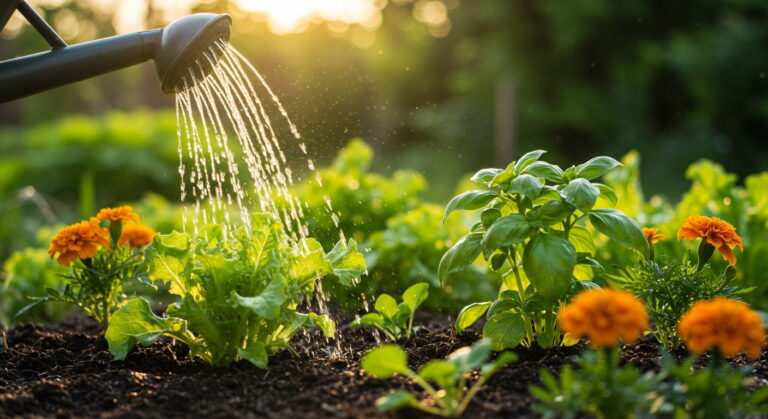
Once your seeds are sown, protecting them ensures successful germination. Lightly cover the area with a thin layer of straw or mulch to retain moisture and shield seeds from birds or heavy rain. Water gently immediately after planting, keeping the soil consistently moist but not waterlogged until seedlings appear.
Avoid using heavy garden hoses, which can wash away seeds or create uneven patches. If weeds are a concern, apply a light layer of compost to suppress them while nourishing the soil. Seed protection is especially important during the first few weeks, as clover seeds are vulnerable to drying out.
With the right care, your clover will sprout within 7–14 days, establishing quickly and forming a durable, attractive ground cover that benefits your garden ecosystem.
Watering and Care for New Clover Seedlings
Establishing a Consistent Watering Schedule
To ensure your clover seeds sprout successfully, you must keep the soil consistently moist but not soaking wet for the first few weeks. Light, frequent watering is key—aim to mist the area once or twice daily until germination occurs, usually within 7 to 14 days.
Once the seedlings appear, you can gradually reduce the frequency while increasing the depth of watering to encourage deeper root growth. Mulching lightly with straw can help retain moisture and protect the tiny seeds from washing away during heavy rains.
Just remember that consistency is crucial; letting the soil dry out completely during this early stage can significantly reduce your germination rates. A simple spray nozzle attachment works wonders for gentle distribution without disturbing the seeds.
Signs of Overwatering vs. Underwatering
It is vital to monitor your seedlings closely to find the right balance, as both extremes can harm your new clover patch. If the seedlings look wilted or yellowing and the soil feels soggy, you are likely overwatering, which can lead to root rot or damping off.
Conversely, if the leaves look crispy or dry to the touch and the soil pulls away from the edges of your container or garden bed, the plants need water immediately.
To check, simply stick your finger about an inch into the soil; if it feels dry, it is time to water. Adjusting your schedule based on weather conditions, like rainfall or intense heat, will help you maintain the perfect environment for healthy, thriving clover.
When to Apply Fertilizer for Clover
Unlike traditional grass lawns that demand heavy feeding, clover is unique because it produces its own nitrogen through a symbiotic relationship with bacteria in its roots. This means you generally do not need nitrogen-rich fertilizers to support its growth.
In fact, adding extra nitrogen can actually discourage the clover from fixing its own nutrients. If your soil is extremely poor, a light application of phosphorus or potassium can give seedlings a gentle boost at planting time, but this is often unnecessary.
Once established, your clover patch will thrive by naturally enriching the soil. Simply avoid chemical weed-and-feed products, as these will kill your clover. Let nature do the work, and enjoy a low-maintenance, green ground cover.
Overseeding Clover into Existing Grass
Mowing Your Lawn Short Before Overseeding
Before planting clover, mow your existing grass short to around 1-2 inches. This creates space for the clover seeds to reach the soil and reduces competition from tall grass. Remove clippings afterward to avoid smothering the seeds. Short grass also allows sunlight to reach the soil, which helps clover germinate.
If your lawn is heavily thatched, consider raking lightly to thin it out. Timing matters—overseed in early spring or fall when soil temperatures are 50-65°F for the best results. Mowing short sets the stage for successful clover establishment by giving seeds the best chance to contact soil and sprout.
Don’t skip this step; it’s a simple but crucial part of preparing your lawn for clover.
Ensuring Good Seed-to-Soil Contact
For clover to grow, seed-to-soil contact is essential. After mowing, use a rake or garden weasel to scratch the soil surface lightly. This helps seeds settle in rather than sitting on top of grass or thatch. You can also mix clover seeds with sand or soil to spread them evenly.
Aerate compacted areas beforehand if your lawn is hard-packed, as this improves water absorption and seed placement. Lightly rolling the area with a lawn roller can press seeds into the soil without burying them too deep. Keep the soil moist for the first week or two—water lightly daily if needed.
Good contact ensures seeds germinate quickly and establish well, leading to a lush clover cover.
Managing Grass Competition During Establishment
Once clover seeds are planted, reduce competition from grass by mowing the existing grass higher (around 3 inches) for a few weeks. This shades the soil slightly, keeping it moist while giving clover seedlings a chance to grow.
Avoid fertilizing with high-nitrogen products, as grass outcompetes clover when it’s fed well. Instead, use a low-nitrogen or clover-friendly fertilizer. Water consistently but don’t overwater—clover prefers slightly moist soil, not soggy conditions. If weeds appear, hand-pull them or use a selective herbicide safe for clover.
With less competition, clover can establish strong roots and spread, creating a beautiful, low-maintenance lawn that benefits your soil and local pollinators.
Maintaining Your Clover Lawn Long-Term
Mowing Practices to Encourage Clover Spread
To keep your clover lawn thriving, adjust your mowing routine to suit its growth habits. Clover grows lower than traditional grass, so set your mower blades higher—around 3 inches—to allow it to compete effectively. Taller clover shades out weeds and retains moisture better.
Mow when the clover reaches about 4–6 inches, but avoid cutting it too short, as this stresses the plants. Regular mowing also encourages lateral spread, helping clover fill in gaps naturally. Leave clippings on the lawn after mowing to return nutrients to the soil and promote lush growth.
Skip mowing during drought or extreme heat to reduce stress on the plants. With consistent, thoughtful mowing, your clover lawn will stay dense and vibrant season after season.
Managing Weeds in a Clover Lawn
Weeds can sneak into clover lawns, but proper management keeps them in check. Since clover is a nitrogen-fixer, it naturally suppresses many weeds, but persistent invaders like dandelions may need attention. Hand-pull weeds regularly or use a targeted organic herbicide that’s safe for clover.
Avoid broad-spectrum weed killers, as these will harm your clover. Mulching bare spots with compost or straw can also prevent weed seeds from germinating. For larger areas, consider overseeding with more clover to outcompete weeds. Healthy clover lawns are surprisingly resilient, so focus on maintaining soil health and proper watering.
A dense clover stand is your best defense against unwanted plants, reducing the need for constant maintenance.
Revitalizing Bare Patches with Overseeding
Over time, bare patches may appear, but overseeding is an easy fix. Start by rake the area lightly to loosen the soil and remove debris. Mix clover seeds with sand or soil for even distribution, then scatter them over the bare spots.
Lightly press the seeds into the soil with a roller or your foot to ensure good seed-to-soil contact. Water the area gently but consistently until the seeds germinate—usually within 7–14 days. Overseed in early spring or fall when temperatures are mild and moisture is plentiful.
This simple practice restores your lawn’s density and keeps it looking uniform. With a little effort, your clover lawn will bounce back quickly, staying lush and green year-round.
Frequently Asked Questions
When is the best time to plant clover?
The best time to plant clover is in early spring or early fall when soil temperatures are between 50-70°F (10-21°C). This allows seeds to germinate before extreme heat or frost. Avoid planting in mid-summer as high temperatures can stress young seedlings.
How do I prepare the soil for planting clover?
Clear the area of weeds and debris, then loosen the top 2-3 inches of soil with a rake or tiller. Clover grows best in well-draining soil with a pH between 6.0 and 7.0, so test and amend if necessary. Lightly water the soil before planting to keep it moist.
Do I need to fertilize clover before planting?
Clover is a legume and fixes nitrogen in the soil, so it typically doesn’t require additional nitrogen fertilizer. However, a phosphorus-rich fertilizer can help root development in poor soils. Always follow soil test recommendations for best results.
How deep should I plant clover seeds?
Clover seeds should be scattered on the soil surface and lightly pressed or raked in, as they need light to germinate. Aim for a planting depth of no more than 1/4 inch. Avoid burying seeds too deep, as they may fail to sprout.
How often should I water newly planted clover?
Keep the soil consistently moist but not waterlogged for the first 2-3 weeks after planting. Water lightly once or twice daily, depending on rainfall and temperature. Once established, clover is drought-tolerant and requires little watering.
Can I plant clover in a lawn with grass?
Yes, clover can be overseeded into existing lawns to improve soil health and reduce the need for fertilizer. Mow the grass short before planting to ensure good seed-to-soil contact. Water regularly until the clover establishes.
How long does it take for clover to grow?
Clover seeds typically germinate within 7-14 days under optimal conditions. Full establishment may take 6-8 weeks, depending on the variety and growing conditions. Regular mowing can encourage thicker growth.
Conclusion
By selecting the right variety, preparing the soil, and sowing at the correct time, you can enjoy a lush, low-maintenance ground cover. Clover’s ability to fix nitrogen makes it a sustainable choice for gardens and lawns.